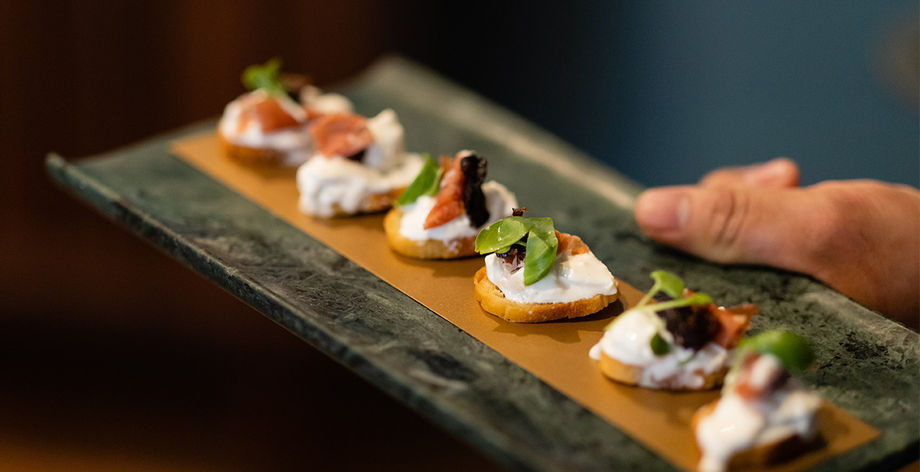
 Photograph by Cavan for Adobe Stock
Budgeting for F&B
Join us for our next webinar, Creating Memorable F&B Experiences on Any Budget, featuring Tracy Stuckrath of Thrive! Events and Heather Reid of Planner Protect, taking place Sept. 17 at 2 p.m. ET.
Register here.
Many meeting planners choose their meal options off a venue's event menus that are handed to them by the sales team, the catering manager or the event manager. But there's no rule that says you can't go off book and get more creative with what you're feeding your participants.
Often, venue chefs are happy to make changes, enjoying the opportunity to get creative, as long as that conversation starts the moment the meeting's contracts have been signed — or even before, during the site-selection process. Here's some advice for working together to invent a better meal plan from Tracy Stuckrath, founder of Thrive! Meetings & Events, chef Dustin Ward of Bold Catering & Design in Atlanta and and catering director Ryan Whitten of Restaurant Associates, who gathered for a Northstar webinar, Crafting Crowd-Pleasing Event Menus (listen to their conversation here).
Introduce yourself to the chef
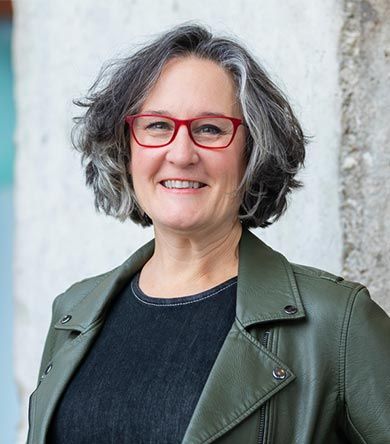 Founder Tracy Stuckrath, Thrive! Meetings & Events
"Getting off on that right foot is asking to talk to the chef personally and directly," says Stuckrath. "We have so many questions we need to be able to ask them, and it helps us understand what their capabilities are, and their team's capabilities."
She reports that some chefs receive her inquiries with their arms crossed, backing away from the questions, and not really wanting to answer her questions. "But you should build a dialogue with them first and foremost," Stuckrath adds, "to see what they can do, and make sure they're somebody that you even want to work with."
For his part, chef Ward welcomes the approach. "Planners definitely come to me a lot more now than I've seen in the past," he says. "I think it's very important to be on the same page as they are because the more information they have, the more information I have, and we produce a better event."
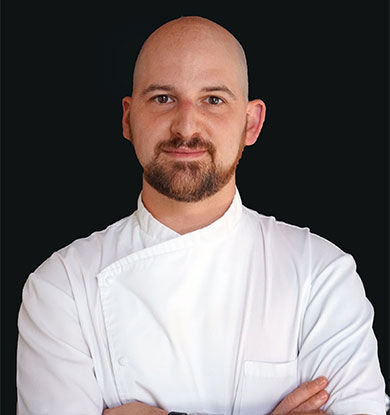 Catering Director Ryan Whitten, Bold Catering & Design
Culinary director Whitten says that building the relationship even helps determine if the venue is the right one for the event. "We want to be able to give them that information as soon as possible," he says. "On our part, it's about asking really great questions. What's the actual purpose of the event? How do you want [the event] to feel if the budget is a limiting option because maybe we can't do everything that is asked for?
Build trust through tastings
Taking the time to try some elements of the venue's menus is a must for both planners and chefs. "We love having people come in to do tastings," says Ward. "It's a partnership, and you're putting a lot of faith and trust in us to create this magical moment."
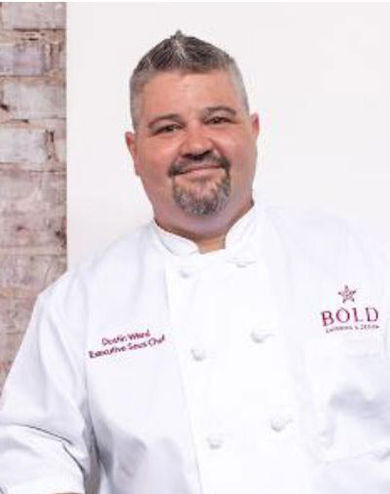 Chef Dustin Ward, Bold Catering & Design
Stuckrath, whose planning expertise extends to food allergies and keeping meals at meetings safe for all attendees, particularly appreciates a chef who will allow her to sample vegetarian, vegan and allergen-free dishes. "What pains me as a planner is when the whole menu is spelled out on the banquet event order, and then down at the bottom, it says 25 vegan meals and 10 gluten-free, and I don't know what's being served to those attendees," she says.
Considering that one of the people who needs a special meal might be one of the event's VIPs, Ward says, "I let people taste everything — the gluten-free option, dairy-free — whatever allergens that you might have at your event, we'll make sure that you have tasted [the alternatives]."
Consider serving special dishes to everyone
Can I Eat That?
Stuckrath has used this great idea for passed hors d'oeuvres:
Give the servers a name badge listing details about the dish they're carrying, whether it's vegan or vegetarian, and its
possible allergens.
"I had servers fighting over the badges,"
she says. "'I want to be the sweet potato tater tot guy; I want to be
the risotto person.' They loved it." And attendees with allergies or other restrictions can see at a glance if the item is something they can enjoy.
Chefs can create allergen-friendly dishes that everyone can enjoy, using naturally inclusive cuisines like Mediterranean or Indian so you don't sacrifice flavor. For instance, Ward notes that a sunflower risotto that Bold created for a steak dish has been turned into vegetarian entrée — which also can be made as a vegan dish — because it was so well received.
"There also was a Harissa-marinated, charred cauliflower steak that was a great addition to menus because a lot of people enjoyed it," says Ward, adding that some eggplant dishes also work well on the full menu, such as eggplant rollatinis.
Work with the catering team to serve special meals equitably
Making sure guests with dietary restrictions are served at the same time as everyone else keeps them from feeling singled out.
"I've seen where, if someone had a dietary restriction or an allergy of some sort, they'd be the last person at the table to be served — they'd be skipped and the server would go to the next person," Ward says. "For us that's not okay. We try to serve them in the same order. The main components are, one, that they're not being skipped and have to wait. And two, [guests] should be able trust us to keep their health and their body safe."
Work together using historical data
Sharing past event data (e.g., dietary counts, consumption trends) with chefs helps you both plan more accurately, which can avoid overproduction, and by extension reduces costs and waste.
You still need to survey attendees about their dietary needs every time they register, says Stuckrath, because someone could have developed an issue since the last meeting. "But I think using that historical data is a very good starting point for chefs to work with," she adds. "That helps them design the menus based on how much food people actually eat."
For example, Stuckrath has worked through the years with a group whose profile shows that only 50 percent of the attendes eat breakfast and lunch. So for a meeting of 500 attendees, she only orders food for 250. "I have historical data from five years that shows that," she says.
"And I like to have all the information I can get," says Ward.