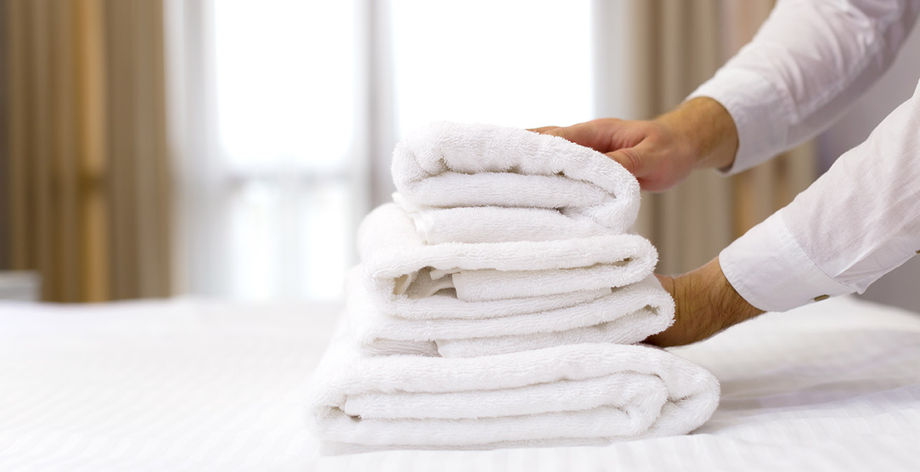
 The most critical staffing need at hotels is housekeeping, according to the AHLA. Photo Credit:fotofabrika/Adobe Stock
Service Levels Are Still a Problem for Planners
The continued staffing issues noted by the AHLA study are echoed in the
Northstar Meetings Group/Cvent Meetings Industry PULSE Survey, just released a week ago. Following high costs and budget constraints, respondents said hotel/venue service levels still are a major pain point in the event-planning process.
A new study from the American Hotel & Lodging Association shows that more than two thirds of hotels continue to experience staffing shortages. To help counteract this problem, hoteliers are offering more pay and a host of incentives in order to attract and retain talent, says the organization, which is the largest U.S. hotel association, representing more than 30,000 members from all segments of the industry nationwide.
According to the survey of 408 hoteliers, which was conducted in January, 82 percent of respondents have increased wages over the last six months, hitting a record high average for hotels in December 2023. In addition, 59 percent of those surveyed said they are offering greater flexibility with hours, and 33 percent are expanding benefits. Still, 72 percent say they are unable to fill many open positions.
Sixty-seven percent of survey respondents said they are experiencing a staffing shortage, and 12 percent said they are “severely understaffed,” meaning the shortage is affecting their ability to operate. The most critical staffing need is housekeeping, with 48 percent ranking it as their top hiring need.
These numbers are an improvement from May 2023, however, when 82 percent of survey respondents indicated they were experiencing a staffing shortage.
Respondents to the most recent survey are attempting to fill an average of nine positions per property, nearly unchanged from May 2023 but higher than the seven vacancies per property average found in the January 2023 survey.
Upping the ante to hire and retain employees
Ongoing staffing challenges are resulting in historic career opportunities for hotel employees, says the AHLA. More than 70,000 hotel jobs currently are open across the nation, according to Indeed; as of December 2023, the average hourly wage across U.S. hotels was at an all-time high of $23.91 per hour, according to the Bureau of Labor Statistics.
Additionally, average hotel wages have increased faster than average wages throughout the general economy since the pandemic, and hotel benefits and flexibility are better than ever.
 Chip Rogers, president and CEO of the American Hotel & Lodging Association
“The hotel workforce situation is slowly improving, thanks to record-high average wages, and better benefits and upward mobility than ever before,” said AHLA president and CEO Chip Rogers. “But nationwide labor shortages are preventing hoteliers from filling tens of thousands of jobs, and that problem will weigh heavily on our members until Congress takes action. We urge lawmakers to address this urgent issue by creating an H-2B returning worker exemption, passing the Asylum Seeker Work Authorization Act, and passing the H-2 Improvements to Relieve Employers Act.”
As of December, the United States had 9 million job openings, but only 6.3 million unemployed people to fill them, according to the BLS.
Calling on Congress for Needed Help
Congress can help hoteliers address workforce shortages by taking the following actions, according to the AHLA:
- Expanding and streamlining the legal H-2B guest-worker program. The H-2B program is vital to helping independent hotels and resorts in remote vacation destinations fill seasonal roles, but the program is capped at 66,000 visas each year. Exempting returning workers from this cap would help hoteliers hire employees who can provide critical staffing relief for seasonal small business hotels and help rebuild the post-pandemic economy.
- Cosponsoring and passing the Asylum Seeker Work Authorization Act (S. 255/H.R.1325). A historic number of asylum seekers are already housed in hotels across America, awaiting court dates and are following the legal process. Current law prevents them from working legally for at least six months, forcing them to rely on assistance from local governments and communities. This bipartisan legislation would help hotels address critical staffing needs by allowing asylum seekers to work as soon as 30 days after applying for asylum.
- Cosponsor and pass the H-2 Improvements to Relieve Employers (HIRE) Act. This bill would expand the H-2A/H-2B labor certification period to three years and permanently authorize the waiver of in-person interviews for returning workers. The HIRE Act would make it easier for qualified workers to secure jobs in fields that are struggling to recruit and retain enough employees to meet demand.