 Photo Credit: Johannes for Adobe Stock
This summer will mark the 35th anniversary of the Americans With Disabilities Act, which was signed into law July 26, 1990. Still, three decades later, many event professionals struggle to create gatherings that are fully accessible.
In fact, only 15 percent of planners said their events were fully accessible during a recent Northstar Meetings Group webinar. The majority (76 percent) said theirs were somewhat accessible, while 2 percent noted they were not at all accessible and 7 percent said they were unsure.
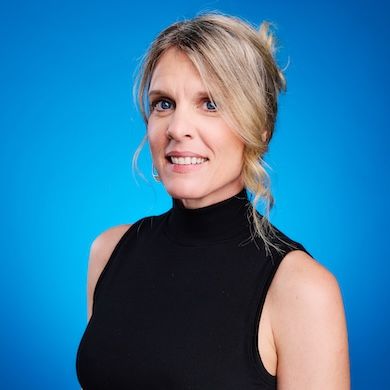 Amy Wood, manager of accessible events and real estate/travel, Salesforce
But welcoming participants with disabilities doesn't have to be overwhelming, Amy Wood, manager of accessible events and real estate/travel for Salesforce, said during the webinar.
"It's all about thoughtful planning and getting the basics right," she said. "You need to think about accessibility from the very start of your planning process. You don't want to tack it on at the end because retrofitting and last-minute changes can be incredibly expensive."
Wood shared some of the strategies she's employed to make Salesforce's annual Dreamforce event, which typically draws 40,000 attendees, more inclusive. Also on the panel was Joshua Klipp, a certified access specialist who is founder and principal of Made Welcome, a consulting firm that specializes in accessibility strategies for workplaces and events.
Following are some of their top tips for improving accessibility for events of all sectors and sizes.
Intentional and inclusive event design
 Photo Credit: Peakstock for Adobe Stock
Planning for accessibility starts with site selection. Klipp recommends asking venues for detailed information about how they accommodate people with disabilities, including whether there are accessible entrances, parking, paths of travel, bathrooms and signage. It's also important to note if any construction is or will be happening, and if it will impact the venue's pathways.
In order to accommodate those with visual or hearing impairments, event organizers can offer sighted escorts, sign-language interpreters, live captioning and assisted hearing devices. Be sure to check if the venue already is equipped with hearing-loop technology, which can transmit audio directly to hearing aids and cochlear implants.
Accessibility needs can vary from person to person, so it's crucial to ask all attendees if they will require any accommodations. This can be done during the registration process, and Wood advises appointing someone who is passionate about accessibility to oversee and respond to these requests.
"You don't have to throw all the accessibility features at the wall and see what sticks," she said, noting that planners can start small and should never make assumptions about a participant's needs. As a deaf person, Wood doesn't know American Sign Language and points out, "If you were to get me a sign-language interpreter, you're going to be wasting resources and budgeting on something you don't need."
Tracking progress and training staff
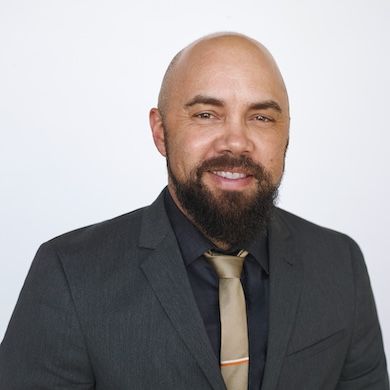 Joshua Klipp, principal and founder, Made Welcome
Bringing accessibility plans to life requires event teams not only to gather information about attendee needs, but also to create an actionable plan for execution. Instead of turning to a simple checklist, Klipp recommends using project-management tools or shared spreadsheets to track necessary tasks and timelines.
"You can go online and find 1,000 checklists that tell you what you should be doing to make your event accessible, but the implementation is only as useful as the tool," said Klipp, noting that checklists can be cumbersome and aren't great for incorporating different teams into the process. "I'm a big fan of moving away from checklists to project management, so that these tasks can actually get done, and there's a sense of accountability and timing in terms of implementation and execution."
Comprehensive staff training is equally important. Klipp suggests hosting a disability etiquette and awareness training two weeks prior to the event. This should be followed up with on-site training that ensures staff members can direct attendees to accessible features, and answer any questions about policies, needs or issues. For example, where are the accessible entrances and restrooms, and what is the policy on service animals?
Be sure to include security personnel in the training, so that they can recognize and address the difference between someone who is a threat and someone who has a disability and might express themselves differently.
"A little bit of awareness can go a long way when it comes to disability etiquette and how to treat those with different needs," said Wood. "If someone who has autism is having a hard time comprehending instructions in a security checkpoint, they could be labeled as uncooperative. But really they're just having a difficult time digesting the instructions, and if you provide that training, it could really turn the experience around for them."
Emergency preparedness
An often overlooked aspect of event accessibility is whether attendees with disabilities have been considered during crisis-management planning. Check that evacuation routes and meeting points are accessible, and that emergency alerts include both visual and audible communications.
"There are a lot of buildings that will say, 'Please listen to the loudspeaker for future instructions in the event of an emergency,'" said Wood. "I'm deaf and that's not going to help me."
Using display screens for emergency communications, as well as flashing lights and sign-language interpreters are good ways to support those with hearing impairments. For an added layer of security, event organizers can create a buddy system for attendees with disabilities so someone is ready to assist when there is a crisis.
As planners work to make their events more accessible, don't be afraid to mess up along the way and reach out for help, Wood and Klipp stressed. Seeking the input of an accessibility expert or members of the disability community is the best way to ensure all attendees will be able to participate fully and enjoy the event experience that planners have spent months creating.
Wood adds: "People with disabilities often can find creative solutions because we've had to navigate these barriers our entire lives or for however long we've had the disability."