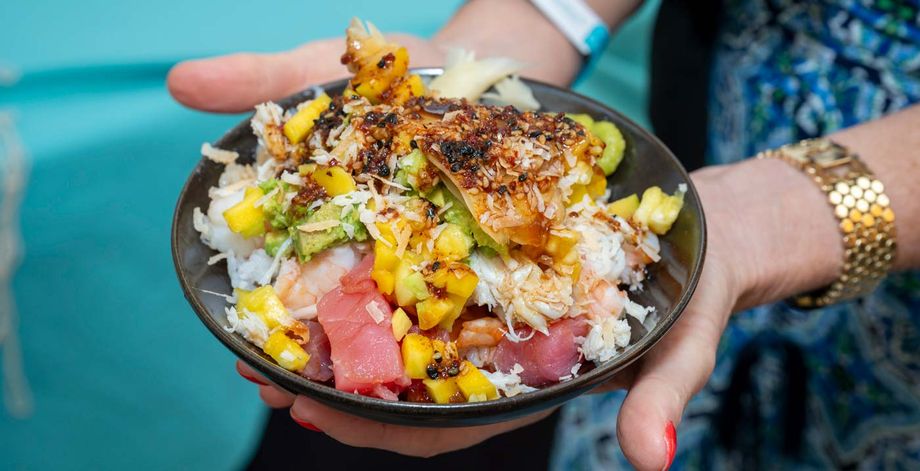
 Participants at Northstar’s Small & Boutique Meetings – Spring event created poké bowls from a host of healthful ingredients. Photo Credit:MadPixPro
What are your objectives for F&B? If the goal is just to sate hunger, please palates and stay within budget, you’re missing an opportunity to provide a better meeting experience and even improve ROI. In fact, menu planning should be as purpose-driven as any other vital component of a business event. Here’s why.
Nature’s pharmacy: spices with healing power
Flavorful spices are natural remedies, associated with specific health benefits.
» Allspice: antioxidant, antimicrobial
» Black pepper: Antioxidant, promotes digestion
» Cinnamon: reduces blood sugar, anti-inflammatory
» Cumin: antioxidant, anti-inflammatory
» Ginger: antioxidant, anti-inflammatory
» Garlic: antioxidant, antimicrobial
» Saffron: Antioxidant
» Turmeric: Anti-inflammatory, immune-system boost
Food for thought
What we eat affects our brain function and mood, says nutritionist Meridan Zerner of Cooper Aerobics, a speaker for Northstar’s Small & Boutique Meetings hosted-buyer event taking place this June, and the webinar “Putting Wellness on the Agenda." Certain foods, herbs and spices are associated with physical and mental health benefits. Packing menus with powerful ingredients provides the optimal fuel for attendees.
Acetylcholine has been linked to improved cognition, memory and mood. It is produced from a B vitamin called choline, found in wheat germ and eggs.
Dopamine and norepinephrine are released in the body after eating proteins (meat, poultry, dairy and legumes). These chemicals work in tandem to enhance concentration and alertness.
Serotonin comes from eating carbohydrates. This enhances calmness and can ease depression. Choose complex carbs — whole grains and vegetables — not the simple carbs in cake and cookies.
Share the knowledge
Many typical menu items are power foods. Don’t keep this a secret from attendees. Place nutrition notes near items on a buffet or on banquet tables to draw attention to the health benefits. A few examples:
- Leafy greens: Rich in vitamin K, lutein, folate and beta carotene, they might help slow cognitive decline.
- Fatty fish (tuna, salmon): An abundant source of omega-3s — healthy unsaturated fats that have been linked to lower levels of a damaging protein associated with Alzheimer’s disease.
- Fresh berries: The flavonoids that give these fruits their bright colors can improve memory, research has shown.
- Nuts: Packed with healthy fats, antioxidants, magnesium and vitamin E, nuts are thought to minimize cognitive decline, among other benefits.
Offer better beverages
Some (nonalcoholic!) drinks can boost concentration, memory and alertness.
- Coffee: Caffeine helps improve focus, memory and cognitive function.
- Tea: Green tea, in particular, is rich in antioxidants called catechins, which can sharpen mental acuity.
- Green juice: Green juices are packed with vitamins, minerals and antioxidants that support brain health — and are typically lower in sugar than fruit-based juices and smoothies.
- Other delicious and nutritious drinks to consider: coconut water, kefir, kombucha and turmeric lattes.
Meeting Well is sponsored by Caesars Meetings & Events.