 Photo Credit: stock.adobe.com
Budget constraints remain a leading challenge for planners. Rising event costs for venues, lodging and food-and-beverage, plus budget scrutiny and pressure to demonstrate return on investment make it harder to deliver exceptional experiences without overspending. At the same time, planners are increasingly focused on attendee engagement and measurable event outcomes. The most successful of planners are those with a true understanding of how to navigate the issues surrounding the dollars and cents of events in today’s environment.
“I've become increasingly focused on evaluating events from both a financial and member-value perspective,” says Chrystal Hunter, training and events manager for the MD|DC Credit Union Association in Columbia, Maryland. “It's not enough to simply determine whether an event generated a profit or stayed within budget. While those measures are important, we're ultimately driven by whether the event achieved its intended purpose. Rethinking the economics of an event isn't just about cutting costs. It's about ensuring that every dollar spent and every dollar earned supports meaningful outcomes for attendees, sponsors, exhibitors and the organization as a whole.”
Kelly R. Groff, CDME, president & CEO of Visit Montgomery, stresses that budget constraints remain a significant challenge. “Planners are balancing rising costs with expectations for engaging, high-quality events,” she says. “Higher attendee expenses can reduce registration or shorten stays, while cuts to programming and networking can affect participation, satisfaction and relationship building. Measuring success should include meaningful connections, learning outcomes and post-attendance engagement alongside attendance.”
Prioritize your dollars
Spending where attendees will remember the experience or can measure what they gained is the focus of Laurin Kelly, MPH, PMP, founder & executive director of the Association of Black Women in Project and Program Management (ABWIPPM) in Silver Spring, Maryland. “That means strong speakers, sessions that earn PDUs [Professional Development Units], and a smooth registration experience, since the first five minutes at check-in set the tone for two days,” she says. “Additionally, we invest in clear pre-event communication, including a ‘Know Before You Go’ guide and PDU self-reporting instructions, so no one arrives confused. Decor and giveaways sit lower on the list, because no one has ever told me a centerpiece changed their career.”
The National Hispanic Caucus of State Legislators in Washington, D.C., is an organization that covers travel and lodging for many of its attendees, making its first priority to ensure that members can participate regardless of their personal financial circumstances, according to communications and membership manager Patricia Meza. “From there, we focus on comfortable accommodations, reliable transportation, quality meals and strong educational programming,” she says. “We have become much more willing to scale back on decor, elaborate receptions, promotional materials and other enhancements that may look impressive but do not necessarily translate into a better attendee experience.”
Groff agrees that “decorative upgrades, giveaways and elaborate staging can be reduced when they do not directly support the event’s goals.” She adds: “Prioritize what helps attendees participate comfortably and receive value: clear communication, convenient transportation, relevant content, reliable technology, quality meals and meaningful networking.”
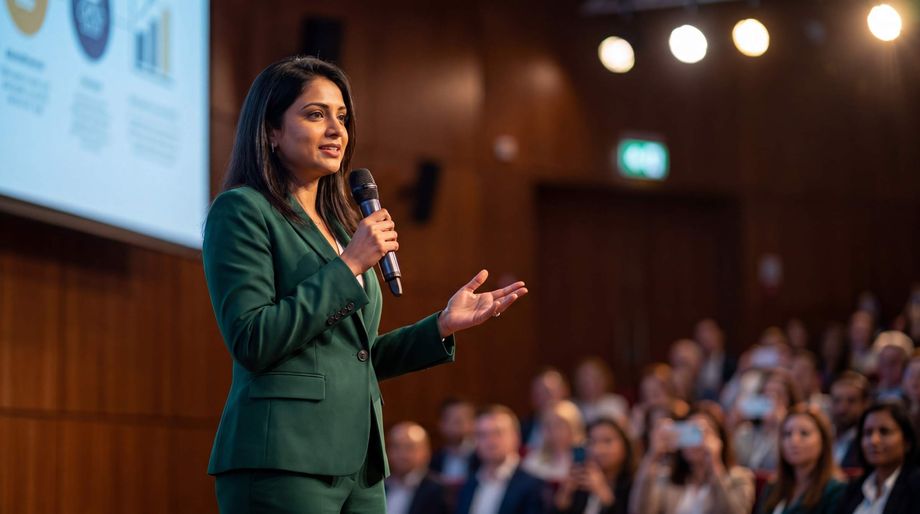 Knowledgable speakers and presenters are worthwhile investments for quality attendee experinces. Credit: Adobe
Concentrate on the attendee
Hunter imagines the entire experience from the attendee point of view. “I’m evaluating everything from the moment someone registers to the time they leave the event,” she says. “Every single touch point matters. I prioritize the elements that have the greatest impact on the attendee experience including quality programming, industry experts, the meeting environment, food and beverage and networking opportunities. I continuously ask myself whether it will enhance learning, encourage connections or enhance the attendee experience. When we’re focusing on what matters most to the attendee, everything we do aligns and the attendees see and experience that intentionality.”
Be flexible in choices
Meza examines options for cost saving, starting with the time of year. “We prioritize locations in the low season to take advantage of lower prices that coincide with our available dates,” she says. “We always request several shoulder dates for our attendees to take advantage of our group rate at the location that is often used.”
Groff agrees that “requesting several date options and considering lower-demand periods can create opportunities for better pricing and concessions, depending on availability and the seasonality factors of some destinations.”
Kelly also looks at the best rates for hotel stays. “Our 2028 National Conference is planned for a Friday and Saturday in September,” she says. “That schedule lets attendees protect their work week and gives us access to more favorable rates at business-oriented hotels. It also reflects the data they shared with us when we sent a survey to understand their preferred conference dates.”
Pivoting away from hotel venues is something Kelly is considering going forward as she weighs more affordable options. “This year we hosted our VIP Reception at a restaurant near the venue, limited [it] to speakers, board and staff with no plus-ones, which kept the moment meaningful and contained,” she says. “A dedicated volunteer team handled registration, VIP check-in, exhibitor coverage and session rooms, which let us invest in programming over staffing.”
Planners sometimes overlook the value of alternative meeting spaces, according to Hunter. She says this is true “particularly for programs that don't require overnight accommodations or extensive production.” She adds: “The key is making sure the venue supports the purpose of the event rather than selecting a property simply because it's traditionally where conferences are held.”
Alternative venues have also become an important cost-saving strategy for Meza. “Rather than hosting every session or reception at a hotel, we have worked with corporate partners, government institutions and other organizations to secure complimentary or reduced-cost meeting spaces,” she says.
Meza also feels that her organization’s “smaller gatherings often allow for more meaningful engagement, networking and candid conversations.” She continues: “Our smaller meetings also help us truly foster a sense of community and family within our membership. We are also able to carry out more dynamic sessions because the group is smaller, including focus group sessions, legislative exchange forums and polls.”
Food and beverage is one area where thoughtful planning can have a significant impact on the attendee experience and bottom line, stresses Hunter. “While our goal is to provide quality meals and networking opportunities, it does not mean every meal or reception needs to be high dollar,” she says. “In previous years, our closing reception included multiple presentation stations, an ice sculpture and even a four-piece jazz band. We later observed that many attendees preferred to avoid traffic immediately following the conference, which contributed to a decrease in attendance over the years and resulted in unnecessary food waste. As a result, we adapted. We made the reception more intimate by replacing those lavish spreads with passed hors d’oeuvres, which allowed attendees to connect while small bites made their way to them. By aligning the experience more closely with attendee preferences, we were able to reduce costs without diminishing value.”
 High-quality meal and snack choices should remain a priority for a memorable event experience. Credit: Yellow Blossom - stock.adobe.com
Hunter adds that when evaluating proposals, she focuses on the total cost of the event rather than any single line item. “For example, a venue may offer an attractive guest room rate but offset that savings with significantly higher audiovisual, food and beverage minimums or service costs,” she says. “While every dollar saved helps, those additional expenses can quickly diminish the value of a competitive proposal. I also look for opportunities to negotiate concessions, refine menus and maximize the use of existing meeting space to ensure we are spending strategically.”
Negotiate multiyear contracts
One budget strategy that has worked well for Hunter is securing multi-year agreements that provide more predictable pricing and help alleviate annual cost increases, she says. “Rather than treating each event as a separate booking or purchase, we look at the bigger picture and focus on building long-term relationships with our venues and suppliers.” She adds that “although we rotate among different properties, committing to multiple conferences over several years often creates opportunities for more favorable room rates, discounted audiovisual services, waived room rental fees and other valuable concessions. These partnerships allow us to better manage costs while maintaining a high-quality attendee experience.”
Build strong partnerships
Another important consideration is building strong relationships with vendors, sponsors and venue partners, says Hunter. “Those relationships can create opportunities for collaboration and cost savings that may not be available through a standard proposal process,” she says. “As a people-centered organization, we view our partners as an extension of our team. I make a point to nurture those relationships by providing both constructive and positive feedback, which helps our event partners adapt to evolving client needs while ensuring we continue to deliver exceptional event experiences for our attendees.”
Partnerships carry tremendous weight, says Kelly. “Our relationships with universities, Project Management Institute Washington, D.C., and corporate partners open doors to expertise, space and audiences we couldn’t afford alone,” she says. “I’d also encourage planners to treat volunteers as a trained team, with clear assignments and coverage grids, because a well-prepared volunteer oftentimes delivers better hospitality than a hired temp.”
Meza says that her organization has also depended “even more on our partners and sponsors, really relying on expanding the development side of our staff to focus in on having even minor details and meals sponsored by various entities.” She continues: “Building strong relationships with local partners, convention and visitors bureaus, sponsors, and host committees can unlock opportunities that would otherwise be financially out of reach.”
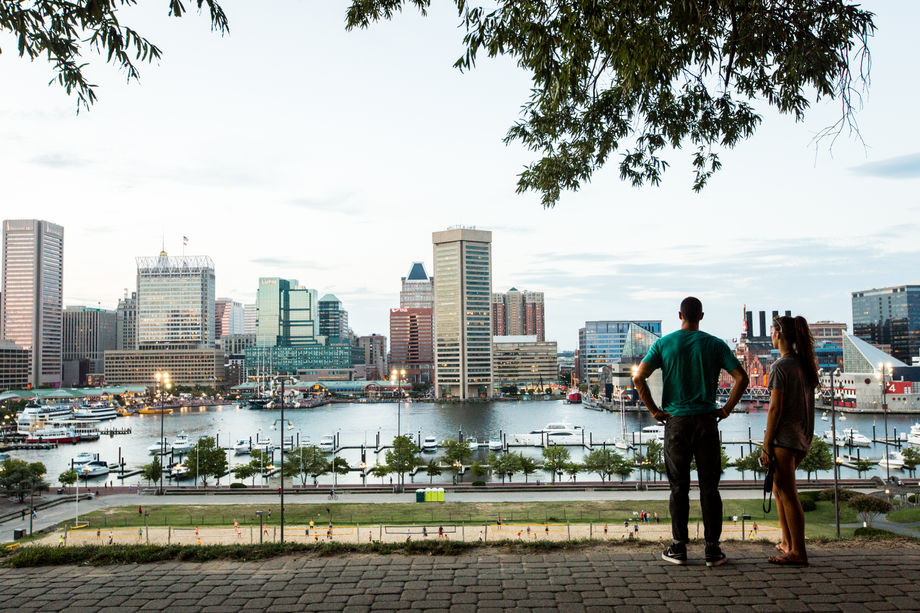 Credit: Justin Tsucalas
Meet in Maryland: A Statewide Partnership. One Exceptional Meetings Destination.
Meet in Maryland is a regional partnership of six Maryland destination marketing organizations (DMOs) working collaboratively to position Maryland as a premier destination for corporate events, conferences, meetings, and group business. Whether hosting a regional business meeting, a national conference, or a multi-day corporate event, planners will discover a connected, accessible and versatile destination ready to welcome them.
Conveniently located in the heart of the Mid-Atlantic, Maryland offers the ideal combination of accessibility, diverse meeting environments and authentic experiences. Situated between Washington, D.C., Philadelphia, and New York City, Maryland provides convenient access to major metropolitan markets along the East Coast, making it an attractive destination for regional, national and international gatherings.
Getting to Maryland is easy. With access to major interstate highways, passenger rail service, and air travel, the state offers multiple transportation options for meeting attendees. Baltimore/Washington International Thurgood Marshall Airport (BWI) serves as a key air gateway, connecting travelers to destinations throughout the state and beyond. Amtrak and MARC commuter rail services provide additional access to key business and meeting destinations, helping planners simplify travel logistics and create a seamless attendee experience.
Maryland delivers an impressive range of destinations and experiences within a relatively compact geographic footprint. Meeting planners can choose from vibrant, walkable urban districts, historic waterfront communities, scenic coastal settings, sophisticated suburban business hubs and peaceful mountain retreats. This diversity allows organizations to tailor their events to their audience, objectives, and budget while offering attendees opportunities to explore the distinctive character of each destination.
CONTACTS:
meetinmaryland.com
Annapolis & Anne Arundel County
Elizabeth Joyner
[email protected]
(410) 280-0445 x306
Jana Carter
[email protected]
(410) 280-0445 x307
Visit Baltimore
Jen Wingate, CMP
[email protected]
(410) 659-7138
Debbie Zunt CMP, CEM
[email protected]
(216) 633-9954
Visit Howard
Adam Workman
[email protected]
(410) 313-1475
Visit Montgomery
Katherine Crosse
[email protected]
(240) 641-6748
Corinne Washington
[email protected]
(240) 641-6752
Experience Prince George's
Kaletha Henry
[email protected]
(301) 925-8300
Ocean City
Kim Mueller
[email protected]
(410) 723-8617
Ashley Johnson
[email protected]
(410) 723-8615