 Photo Credit: Matt Klinger/Mad Pix Pro
After more than 15 years of speaking at and attending conferences, I've been to a lot of networking receptions. You know the drill: While we plan the education down to the minute, we open the reception doors, offer up an open bar and hope everyone finds someone to talk to.
Until I stopped drinking in 2020, I didn't question the status quo much. Now I keep wondering: Is that really the best we can do?
Alcohol can be part of the reception. It just doesn't need to be the main attraction.
Why are we leaving connection to chance?
It's a big investment for an attendee to participate in a conference. There's registration, airfare, hotels, meals, and time away from their families and businesses to factor in. They could stay home and watch webinars or take online courses. Yet people keep showing up because there's something valuable about being in the same room with other people.
The Lemon Fall Credit:Matt Klinger/Mad Pix Pro
Winning Recipe
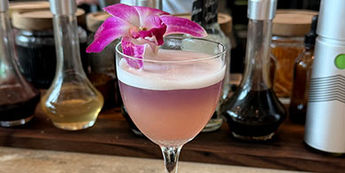
At Northstar's recent Small & Boutique Meetings – San Antonio hosted-buyer event, one activity option was a recipe contest for a nonalcoholic drink. Here's the winner:
Lemon Fall
1 oz. Lemon juice
1 oz. simple syrup
6 oz. Nonalcoholic prosecco
Gently mix and serve in a Champagne flute with a lemon twist, an orange slice, a flower or the garnish of your choice.
Some of the most meaningful conference moments aren't on the agenda. They're the unexpected hallway conversations, the chat with the person you met over lunch — those connections that eventually become a partnerships, friendships or both. This is a big part of what makes a conference worth the trip.
So how do we help those conversations happen? How do we give people something to work with beyond, "So, what do you do?" A good question can lead to a story. And that's usually where the interesting part starts.
I'm not suggesting awkward icebreakers or structured activities every minute. Give people a few ways to join in, and let them pick. Try some of these networking tricks:
Give people a question, not just a name badge
A name and a company only get you so far. Add one prompt to every badge, such as "Ask me about the best trip I've ever taken," or "Ask me what I'm working on right now." Attendees can come up with their own question when they register or leave the line blank.
A few conversation cards on high-top tables help, too, so nobody has to come up with a clever opener on the spot.
Offer a mission
Hand out a card at the door with a short challenge: Meet three people you didn't know this morning and learn one story from each. Completed cards go into a prize drawing — or not. Keep it optional. The people who want a nudge will take it, and everyone else still benefits from the conversations happening around them.
Give people something to do
A shared activity can make it easier to start talking. Set up two or three stations, like a local artist sketching quick portraits, a photographer taking headshots or a make-and-take craft tied to the destination. Anyone who would rather just chat can gather around and watch.
Recruit connectors
Every organization has people who love introducing others. Ask a few board members, past attendees or speakers to be a host at the reception. Their job is simple: Find anyone standing alone, say hello, and introduce that person to someone with whom they have something in common. A ribbon or a different-colored lanyard makes these hosts easy to spot.
Start small before you go big
Set up few topic tables where people walk in to the reception, with signs like "New to the industry," "Hiring right now" or "Just here for dessert."
People can sit down for a few minutes or wander on. Speed networking can be one of the options too, as long as it stays an option. Not everybody wants to speed-network before dessert.
Make the alcohol-free choices easy
Make sure there's more than just Cokes and water for those who are making the choice not to drink, whatever their reason. Put a crafted nonalcoholic drink on the menu at every bar, right next to the cocktails, rather than at a separate station or by special request. Attendees should be able to get a good drink and get back to the conversation without explaining why they aren't drinking.
Design the room for talking
Move the bar away from the entrance so it isn't the first thing people see. Keep the music low enough that people can hear each other, and mix high-tops with small clusters of lounge seating.
Add a gathering with no bar at all
Not every networking moment has to happen at 6 p.m. A morning coffee meetup, a sunrise walk or a lunch with a few hosted tables gives people another way in. It also reaches the attendees who skip the evening reception, whether they're early risers, parents calling home or people who don't want to spend another night at a bar.
Still, people do like to gather for a relaxed evening event. The next time you plan a reception, ask yourself one question: If the bar wasn't the centerpiece, what would bring people together? Start there. Then plan the event in a way that the bar isn't doing the introductory work for you.
Laura Nelson is cofounder of Sober Life Rocks and author of The Inclusive Event Planner. Her event, AMPLIFY Sober Choices, will take place March 12-13 in Phoenix.