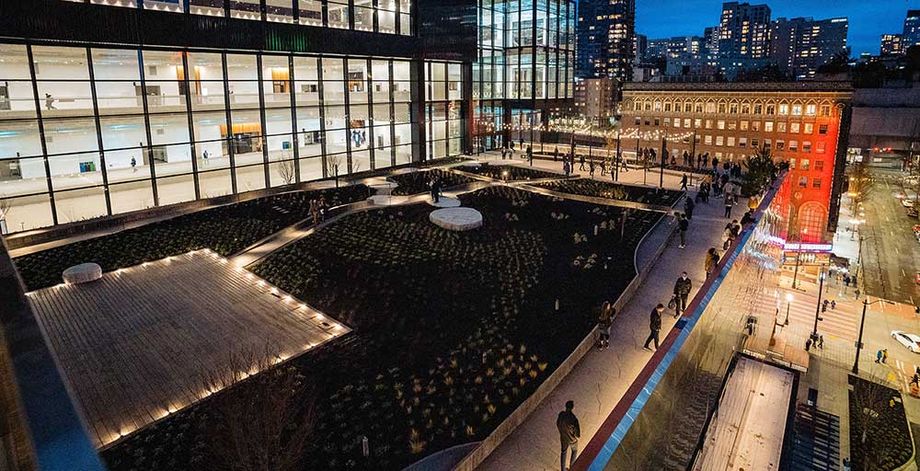
 The Garden Terrace at the Seattle Convention Center's Summit Building, Photo Credit:Cory Parris for the Seattle Convention Center
One of my favorite topics to cover for Northstar Meetings Group in my 30 years with the company has been green meetings. And if there's one important thing that I've observed in this time, it's that choosing a destination and venue that support your organization's sustainability goals makes planning a sustainable event that much easier. Regularly on top-10 lists of the greenest cities in the United States, with numerous sustainable practices in place, Seattle is such a destination and is full of such venues.
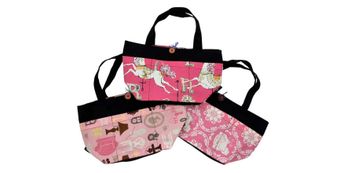
Reuse, Recycle, Give Away
The
Refugee Artisan Initiative helps refugee and immigrant women assimilate
into their new Seattle home, using needles and thread. Through the
process of creating bags, clothing, napkins, tea towels and more, the
cooperative aims to guide the women as they learn artisan skills and
train in micro-business development.
Along the way, RAI diverts
thousands of pounds of textiles and other materials — even plastic and
fire hoses — each year, turning the scraps into hand-crafted items for
sale in the store. Many are perfect for attendee gifts. Groups also can
arrange a service day with RAI (email
[email protected] for more
information).
Taking a tour through the Emerald City with Visit Seattle (catch some of the visual highlights here), it's easy to see the work that's being done to help Seattle reach its net-zero carbon goal by 2050. Among those efforts, hydroelectric power generates 90 percent of the electrical grid's output, more than 200 city parks have been designated as Salmon-Safe, and in 2027, the Port of Seattle officially will begin requiring all cruise vessels homeporting in the city to be shore-power capable and they must use that power rather than running their engines.
Seattle's best for big groups
Seattle has several venues ready to help planners of larger events be as sustainable as possible. The Seattle Convention Center's new Summit building (above) — a work of architectural beauty constructed with sustainably sourced, recyclable and recycled materials, including plant-based acoustic ceiling tiles — is LEED Platinum–certified, and the existing Arch building has received LEED Silver certification. To throw just a few numbers out there, the overall facility uses 100 percent compostable utensils, plates, cups, coffee stir sticks and box-lunch containers. The Summit's 220,000-gallon rainwater tank collects dirty storm water to be filtered into clean storm water, which flows into a 180,000-gallon tank for use in the facility's toilets. And the Summit's radiant flooring uses sunlight and circulating water to maintain the building's consistent temperature, while reducing the need for continuous air-conditioning and heating.
In the kitchens, Summit's food-waste dehydrators reduce waste volume and weight by up to 90 percent, and the Arch's composting program converts food waste into fertilizer for its 3 acres of indoor and outdoor gardens. Speaking of outdoor spaces, the Summit's 14,000-square-foot Garden Terrace, planted with native species, is available for events of about 650 people.
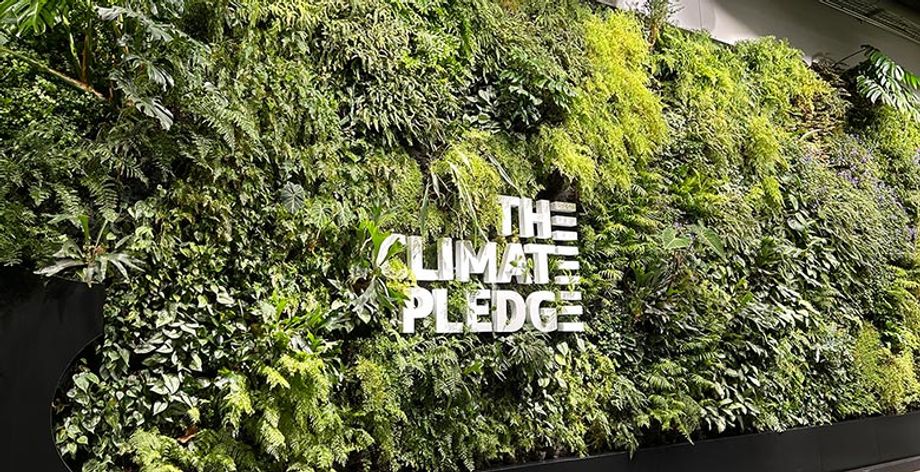 Climate Pledge Arena's Living Wall Photo Credit: Sarah JF Braley
Home to the NHL's Seattle Kraken (best team name ever), the net-zero Climate Pledge Arena, which opened in 2021 in the Seattle Center complex, more than lives up to the promise of its name, chosen by naming-rights sponsor Amazon. About 75 percent of all food now comes from within a 300-mile radius, the waste-diversion rate is 92 percent and no fossil fuels are used anywhere in the arena (the Zamboni machines are electric). The building is run off 100 percent renewable energy. All tickets double as public transit tickets, which has encouraged 25 percent of Kraken fans, 25 percent of the WNBA's Seattle Storm fans and 20 percent of concertgoers to arrive by bus and light rail.
The roof was built for the World’s Fair 1962 and it had to be preserved, so the new arena was built underneath it, doubling the square footage of the old Key Arena. For Kraken games, rainwater is used to make the ice. Nothing that would go into a landfill is available for fans to purchase, and no single-use plastic is used. As Brianna Treat, the arena's director of sustainability, says, "If you drink from it, recycle it; if you eat off it, compost it."
Numerous areas are available for private events, including by the 1,700-square-foot Climate Pledge Living Wall — a great hallway for a reception that also could hold a long king table.
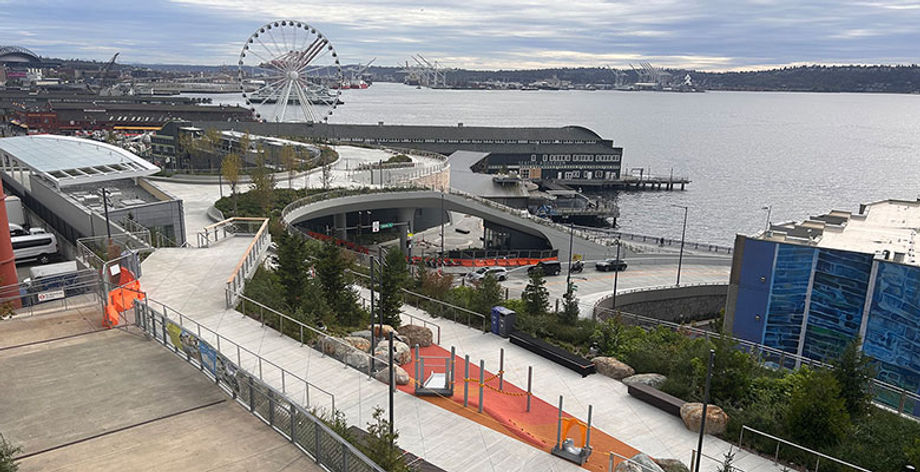 The new walkway that connects Pike Place Market to Seattle's waterside attractions Photo Credit: Sarah JF Braley
The above game-changing walkway opened Oct. 4, connecting Pike Place Market to the Puget Sound waterfront without having to cross a street. At the end of the curving path is the Seattle Aquarium's new Ocean Pavilion, which has been designed to help visitors discover how each of us has an important role in restoring and maintaining ocean health.
Built with sustainability in mind, the new space aims to operate 100 percent fossil fuel–free, and recirculates 96 percent of the salt water in its habitats. Its exterior is made of Forest Stewardship Council–certified, sustainably sourced Alaskan yellow cedar, procured from an Indigenous-led company. Currently, the building is seeking LEED Gold and Zero Carbon certifications. The aquarium welcomes groups of up to 800 for private events.
Seattle's sustainability-focused venues
Plenty of smaller venues around Seattle welcome groups looking to be more green. At the famous Pike Place Market, Chef Traci Calderon, owner of Atrium Kitchen, takes groups of up to 20 people on a Market to Table Tour, visiting the famous fish-throwers, evaluating the available produce, grabbing some local honey and gathering numerous other ingredients to take back to the demonstration kitchen, where she either creates a meal for the group or has the participants get involved with the prep. For our lunch, Chef Traci prepared a watercress and frisée salad with fire-roasted peaches, figs and mangoes in a lemon olive oil and fig balsamic; followed by fresh halibut cheeks, as well as salmon in a wild blackberry reduction, with asparagus. The area in front of Atrium holds 150 for a reception.
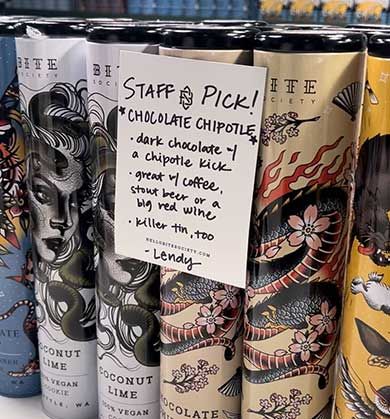 Sleeves of Bite Society's cookies Photo Credit: Sarah JF Braley
Wonderful attendee gifts are available at the market's Bite Society, a small-batch producer of handmade cookies, snacks, pickles, condiments and sweets in packaging designed by tattoo artists.
A green-minded happy hour can be arranged at Footprint Wine Tap
— a Black, Asian and gay-owned small business — where sustainable wines
are dispensed out of 22 taps. Among the offerings from the owners and
other Washington and Oregon wineries are a Sauvignon Blanc, a Rosé of
Syrah, a Semillon, a Chardonnay and many more. (Yes, you can take a
growler home.) Groups of up to 50 are hosted for private events in front
of the copper wine-faucet wall.
 The view from Seattle's Discovery Park Photo Credit: Sarah JF Braley
Forest revival is the plan at the city's 534-acre Discovery Park overlooking Puget Sound, where native plants are being reintroduced and nonnatives replaced. On the grounds is the Daybreak Star Indian Cultural Center, which provides educational, cultural and social services that reconnect Indigenous people in the Puget Sound region to their heritage. The lovely building welcomes events for up to 250 people seated, but also features classrooms, breakout rooms and other meeting spaces.
Fast fashion is not the way at Filson, a 127-year-old outdoor clothing company that will repair the coat/pants/shirts/bag you own without pressing you to buy a new one instead. In fact, more than 100,000 items have been repaired since 2008 (most common are well-used bags and cruiser jackets). The flagship store in Seattle will move aside the piles of shirts, shorts and more to host events for 100-500 people. (I confess to having bought the women's Dry Tin Barn Coat. So cozy.)