.jpg?tr=w-920%2Cfo-auto "2026 meetings industry influencers header")
This year's list of influential event professionals spotlights a variety of contributors from across the business events industry, each working in their unique fashion to create a positive impact. The work each of these 15 individuals is doing tells a larger story collectively, one that reveals the year's challenges and opportunities and provides some touchstones for achieving progress — or how we might do so in the future. Without further ado, meet this year's Influential #Eventprofs.
Rachel Andrews | Noah Cheyer | Carvie Gillikin | Tommy Goodwin | Joshua Grimes | Nicole Marsh | Marisa Nebosky | Kathy Nelson | Lisa Schulteis | Min and Chase Seon | Rachel Stephan | David T. Stevens | Melvin Tennant | John Tanzella
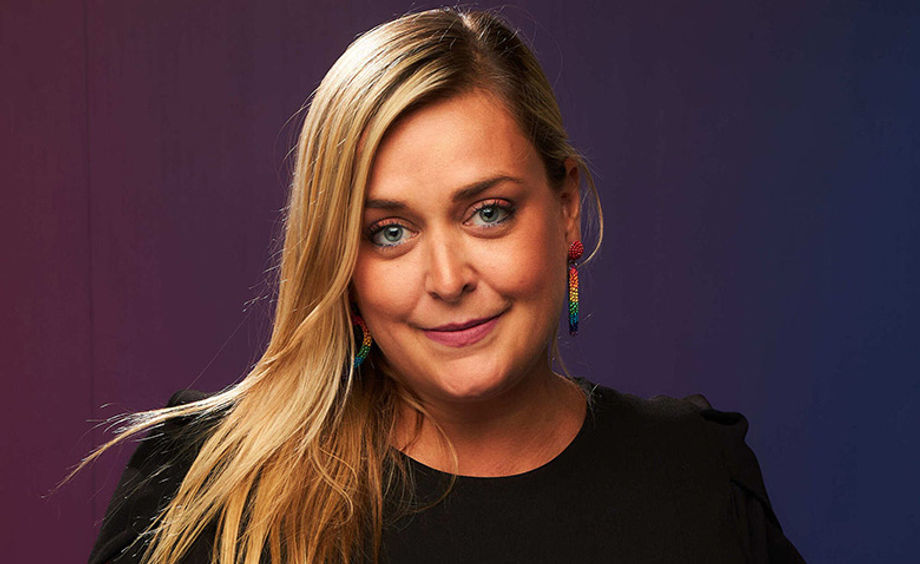 Rachel Andrews, Senior Director, Global Meetings and Events for Cvent
Rachel Andrews
Senior Director, Global Meetings & Events, Cvent
Rachel Andrews learned early on that the events industry isn't for the faint of heart. She got her start as a planner for Morgan Stanley just before the 2008 financial crisis. It was "a pretty spectacular trial by fire," she says. "The rules, regulations and budgets were changing by the minute."
But rather than scaring her off, the experience hardened her passion for the controlled chaos that is event planning. Andrews went on to join Cvent in 2011, where she has steadily risen through the ranks as part of a company that has become one of the largest event technology platforms in the world.
"I've had the opportunity to help build the entire function from the ground up," says Andrews, who now oversees nearly 800 gatherings a year. This includes customer events, tradeshows and the flagship Cvent Connect conference — which drew a record-breaking 5,000 in-person attendees this year and an estimated 10,000 attendees overall.
The 2026 Connect conference was perhaps the most challenging yet — not just because of the size of the audience, but also because of a companywide rebrand that was unveiled live on-stage. Along with the redesign, Cvent announced more than 70 product innovations that showcase its heavy investment in AI — and unveiled many of the new features for use in real time as they were being publicized. "We wanted attendees to experience the transformation, not just hear about it," says Andrews.
When she isn't planning for Cvent, Andrews is sharing her knowledge with others in the industry. She serves on Meeting Professionals Internaitional's International Board of Directors, and also cohosts "Great Events," a biweekly podcast produced by the tech company. The latter quickly has become one of her favorite parts of the job because it gives her an excuse to talk to industry experts and ask questions that "peel back the curtain and get real," she says. "We don't learn from fluff. We learn from real-world case studies, failures and non-gate keepers."
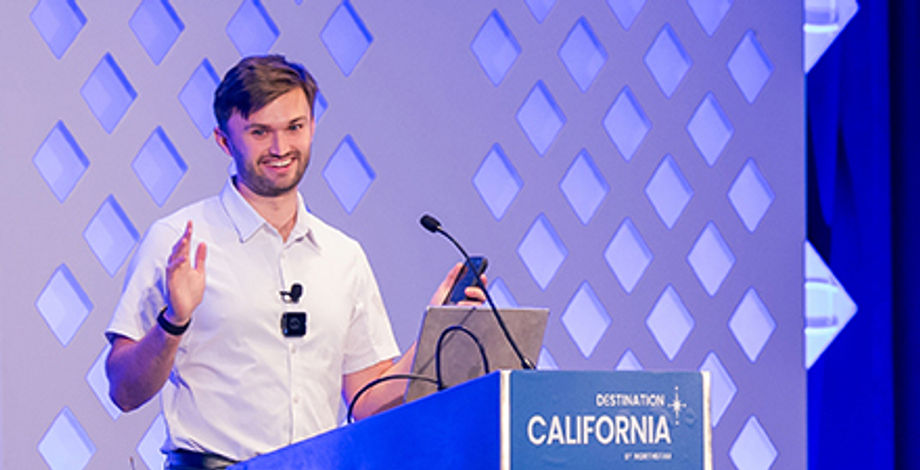 Noah Cheyer, AI Educator and Founder, Silicon Valley Speakers Photo Credit: Ketara Gedahn/Studio Alani
Noah Cheyer
AI Educator and Founder, Silicon Valley Speakers
Noah Cheyer brings a unique perspective to his AI presentations and workshops for event professionals. When Cheyer was 11, he watched Raj fall in love with Siri on an episode of The Big Bang Theory, a premise that was particularly layered for him because his father, Adam Cheyer, is Siri’s cocreator. It made an impact, and Noah has since been processing the public’s understanding of AI — or its lack thereof — from that early age.
Like Siri, Cheyer is good at listening. For a couple of years he has been patiently listening to the questions, frustrations and gripes of overworked, apprehensive and/or inquisitive event professionals. And he has adeptly found his place among the AI educators who understand where and how AI can be of assistance. Rather than trumpet the importance of embracing the technology, he helps identify the unique problems and challenges with which AI can help.
And that's precisely why his following has grown quickly, to more than 13,000 LinkedIn followers, close to 700 participants in an active AI WhatsApp community and more than 2,000 people using his AI tools. His practical approach means he is always ready to provide detailed answers to questions, and to share how he has built his solutions, be they custom GPTs or Skills or Gems. The platform doesn't matter so much as the fact that eventprofs gain an understanding of how they can tap AI solutions to approach their specific challenges.
Cheyer remains tightly connected to AI thought leaders: He spent two years managing bookings for keynote speakers through the agency he cofounded, Speak About AI. Via his new agency, Silicon Valley Speakers, he books a broader range of founders, AI researchers and performers. That business also provides proof of concept: Using AI, he built the company's tech stack for less than $200.
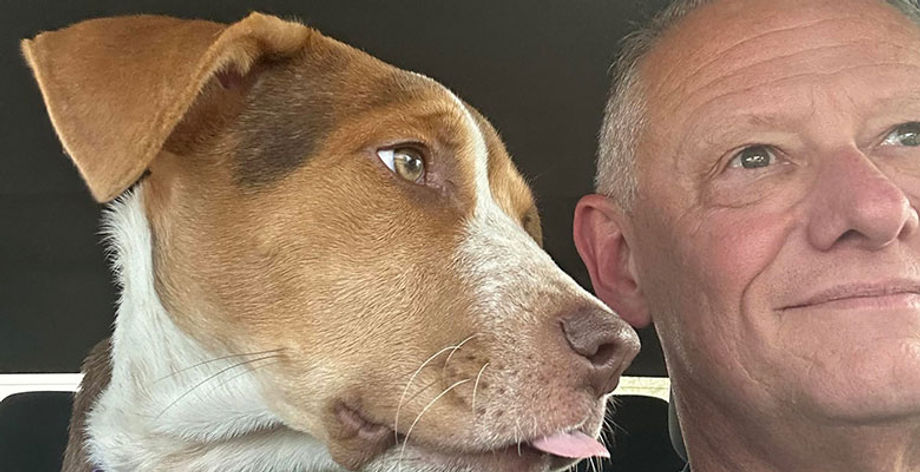 Carvie Gillikin, President and CEO for MGME
Carvie Gillikin
President and CEO, MGME
Becoming CEO of a fast-growing, international meeting and events firm was not part of Carvie Gillikin's game plan.
Raised on a North Carolina farm, Gillikin was a sales guy at heart. He spent the first 16 years of his career in hotel sales, before transitioning to the agency side, working first at production and virtual production companies, then joining Fourth Wall Events, where he was one of four of the fledgling company's employees. The company expanded, merging with World Tech Events and acquiring meeting and incentive firm McVeigh and Associates, subsequently renaming the company MGME.
"It was during this period when the company's owners came to me and said, 'So we're going to be making a change, and we want to say congratulations, you're CEO.'" Gillikin gave it a lot of consideration, "since the opportunity literally fell in my lap," before accepting the role.
And the scope of that role has only continued to grow. He now oversees MGME, MGME Solutions in Canada (acquired in 2021), and Key Meetings and Events; the latter was acquired this past June. Gillikin says Key's strong client base in the private equity market and experience with annual meetings, partner meetings, investor events and other private equity programs complemented MGME's portfolio of retail, pharmaceutical and association clients.
Today, Gillikin oversees a team of just under 80 full-time employees who will produce approximately 300 events in 2026, 60 percent in North America and 40 percent international.
He hints that there might be more to come. "We are always looking at opportunities, both domestic and international," Gillikin says. "Our goal is to have boots on the ground in key regions of the world so we can fully support our global clients. I want to take MGME to the point where we are competing with the larger global agencies while maintaining our culture of inclusivity, kindness and dedication to helping our clients achieve their business goals."
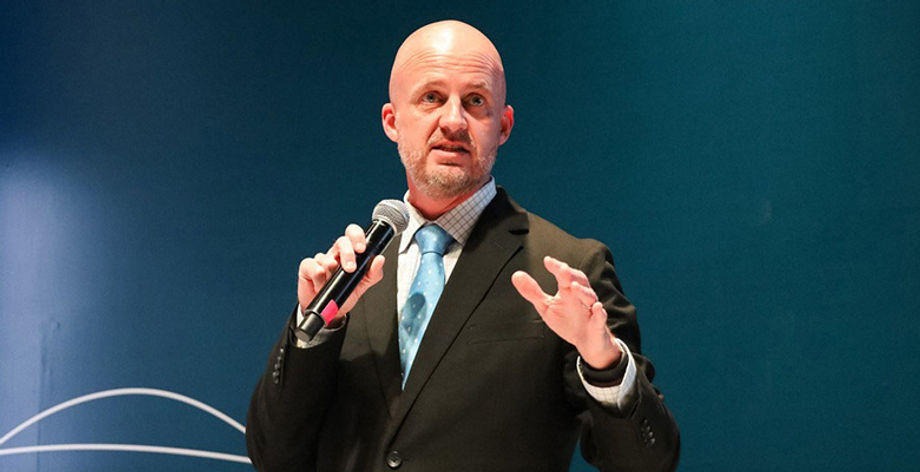 Tommy Goodwin, President and CEO, Exhibitions & Conferences Alliance
Tommy Goodwin
President and CEO, Exhibitions & Conferences Alliance
Tommy Goodwin's impact on the industry was first evident in 2021, when we were in the throes of the pandemic. While the president and CEO of the Exhibitions & Conferences Alliance, a Washington, D.C.-based lobbying arm for the meetings industry, was focused on getting the federal government to allow meetings to take place at that time, the long-term goal of the organization was to make sure the meetings industry had a steady voice on Capitol Hill. That mission hasn't changed, and is arguably more important than ever.
"There's an old saying in Washington, D.C., that if you're not at the table, you're on the menu," says Goodwin, who has been working in the nation's capital since he was 21. "So the unofficial mission from day one of the ECA was to make sure we're at the table."
As the sole employee of the ECA — who works with a vaunted board of leaders from organizations like the Professional Convention Management Association, the Society of Independent Show Organizers, the International Association of Exhibitions & Events, and the Consumer Technology Association — Goodwin has his eye on any proposed federal changes that could affect events. He's working hard to make sure lawmakers understand the consequences of such rules as one from the Office of Management and Budget that would put limits on which organizations can get federal funding — a proposal that garnered more that 400,000 public comments. Likewise, he's drawn attention to an FCC proposal that would make it harder for international exhibitors to bring some communications technologies to events in the United States.
"I don't think the meetings industry in any way is being targeted politically," Goodwin notes. "We are seeing that the industry is being swept up in some broader administration initiatives, and we need to play a much stronger and much more proactive role to ensure that we're not directly impacted."
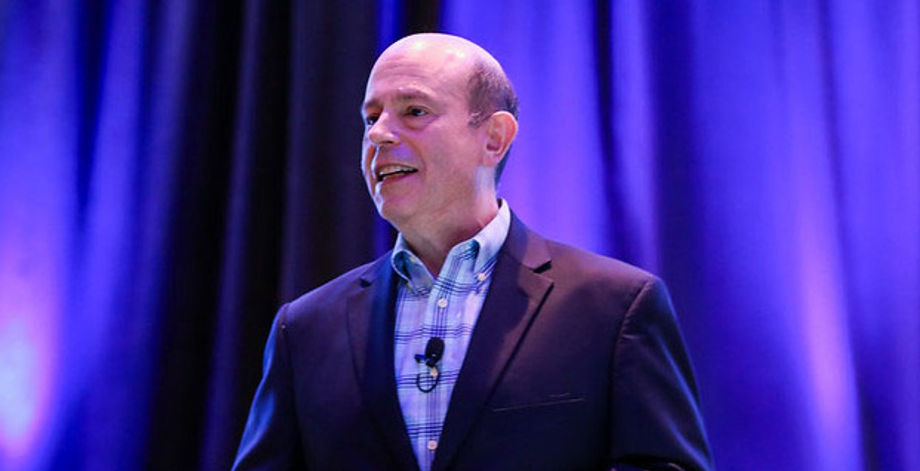 Joshua Grimes, Esq., Attorney and President, Grimes Law Offices
Joshua Grimes, Esq.
Attorney and President, Grimes Law Offices
Joshua Grimes remembers when events contracts were a few pages long, having opened his Philadelphia-area law office in 1996. "If a group had to cancel or they couldn't meet their room block," the attorney reminisced recently, "more often than not, the response from the venue was, ‘Don't worry about it. We'll get you the next time.'" How times have changed. Those contracts now average about 16 pages long, and he recently reviewed one that was 22 pages.
Grimes began his meetings-industry focus on the hotel side — he was counsel for the Greater Philadelphia Hotel Association for many years — but in subsequent years his focus has increasingly involved advocating for the planner.
And his seasoned counsel has been very much in demand this past year, from pricing language to cover spikes caused by the Iran War and other inflationary pressures, to dealing with uncertainties because planners can no longer rely on last year's numbers to predict who will come to the next meeting.
And then there is the matter of addressing growing concerns for the future: Grimes has been providing his expertise to help establish best practices for implementing AI legally and responsibly, and to create language that bans AI glasses at events. As the issues come to light, Grimes is ready with new contract wording.
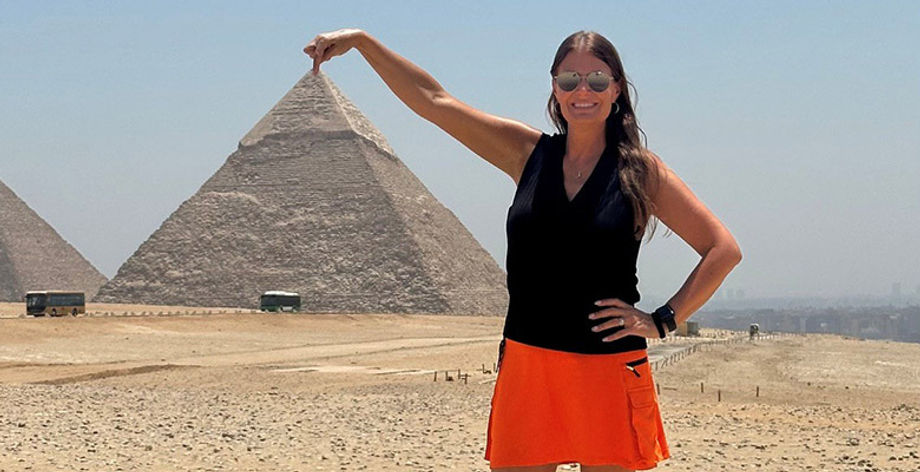 Nicole Marsh, CMP, DMCP, Cofounder and COO, Imprint Events Group
Nicole Marsh, CMP, DMCP
COO and Cofounder, Imprint Events Group
Until Nicole Marsh of Imprint Events Group challenged the status quo, Colorado considered destination management companies to be resellers of products. That label also put DMCs in a hefty tax category, causing pricing for their services to be higher than other states, making them less competitive than DMCs in other destinations.
Marsh, whose business has been based in the state since 1998, was tired of the big tax bills and losing out on business. At the same time, she wanted Colorado to recognize DMCs as what they are: professional service providers who drive tourism and make a significant economic impact.
She moved forward with advice and support from Laurie Sprouse, cofounder and president of Ultimate Ventures in Texas, a fellow member of the Association of Destination Management Executives International, who had successfully gotten her state to change DMCs' classification. Marsh launched a year-long campaign to get a similar bill passed in Colorado.
Working with lobbyists, sponsors in both the state House and Senate, and data from the Colorado Event Alliance, Marsh made the case that DMCs are hired for their expertise, creativity, operational execution, local relationships and destination knowledge, not because clients are looking to purchase taxable goods through a retailer.
Her campaign paid off: Senate Bill 26-128 was passed and Colorado clarified in its fiscal code that DMCs are providers of professional services. Beginning July 1, 2027, they will be taxed accordingly.
Marsh hopes to assist others in the industry going through similar battles with their state and local governments, as Sprouse aided her. "Anything I learned from this experience I want to share, so my peers won't have to go through the same struggles," says Marsh.
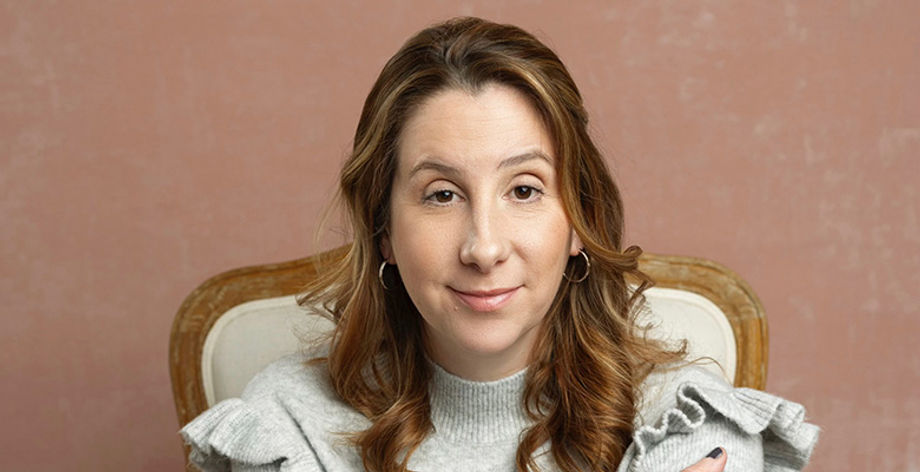 Marisa Nebosky, CMP, Director of Special Events and Digital Marketing, FIFA World Cup Boston 2026
Marisa Nebosky, CMP
Director of Special Events & Digital Marketing, FIFA World Cup Boston 2026
One year before the 2026 FIFA World Cup matches began, Marisa Nebosky was tapped to join the host committee for Boston. Her task? To plan fan activations and other events that drum up excitement and generate community involvement around the tournament.
The role was a natural fit for Nebosky, who has planned events for large companies like Lego and Bose, and has worked with such professional sports teams as the Boston Legacy Football Club. In fact, it was sports that first sparked her interest in events.
"I grew up playing competitive sports, so I was an athlete my whole life. I think maybe part of the reason I like events so much is the same essence of community," says Nebosky.
Boston welcomed seven World Cup matches this summer and Nebosky ensured that the fun wasn't just confined to the stadium. She planned activities leading up to and throughout the tournament that were specifically designed for the wider community. Among them were a World Cup preview gala and soccer clinics where kids got to meet Team France and Team Ghana players. The most important piece, according to Nebosky, was planning events for everyone, ranging from the die-hard fans to the casual sports enthusiasts and even those who don't know the first thing about soccer.
"It's about being able to create an experience that makes people happy," she says. "That's the beauty of events — we take you away from your everyday problems and bring you somewhere else for a while."
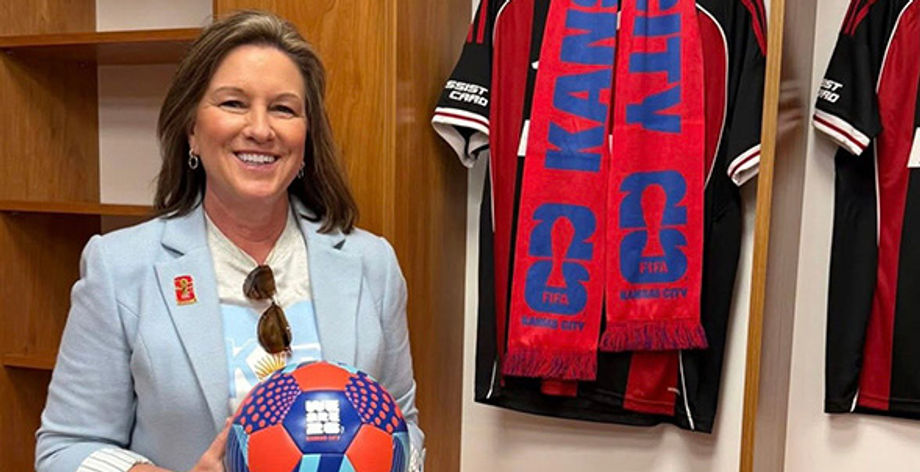 Kathy Nelson, CEO, Kansas City Sports Commission, and CEO, Visit KC
Kathy Nelson
CEO, Kansas City Sports Commission
CEO, Visit KC
Fútbol has been very good to Kansas City. This summer, the city that straddles two states had the honor of being the smallest to host FIFA World Cup games (six of them), as well as welcoming four teams that made the region their basecamps (Algeria, Argentina, England and the Netherlands). Even Ted Lasso is in the game here, having set the first episode of its fourth season in KC.
Overseeing these wins, and many others in both the sports and events worlds, is Kathy Nelson, who juggles two jobs: CEO of the Kansas City Sports Commission for both the Kansas and Missouri sides of the city, and CEO of Visit KC, the convention and visitors bureau for the Missouri side.
"I have two different staffs and two boards of directors," says Nelson, who has been at the sports commission longer, for 15 years, compared with four and a half at the CVB. "I use two computers and two phones. I love it." A little over a year ago, the organizations moved into one shared office, allowing her the unique opportunity to sit in the middle of both. "I have access to everyone and, more importantly, they have access to me."
It took the hard work of many people over 10 years to bring the World Cup to town. "There was a team of people working on it behind the scenes who work with our teams like the Chiefs [of the NFL] and our Major League Soccer team, Sporting Kansas City," says Nelson. "Certainly, there was zero downtime."
The city now is looking to vie for other events, such as the FIFA Women's World Cup or the Rugby World Cup — or both. But Nelson's immediate project came in a small package, as her first grandchild was born as the summer ended, affording her a perfect excuse to take a very well-earned vacation.
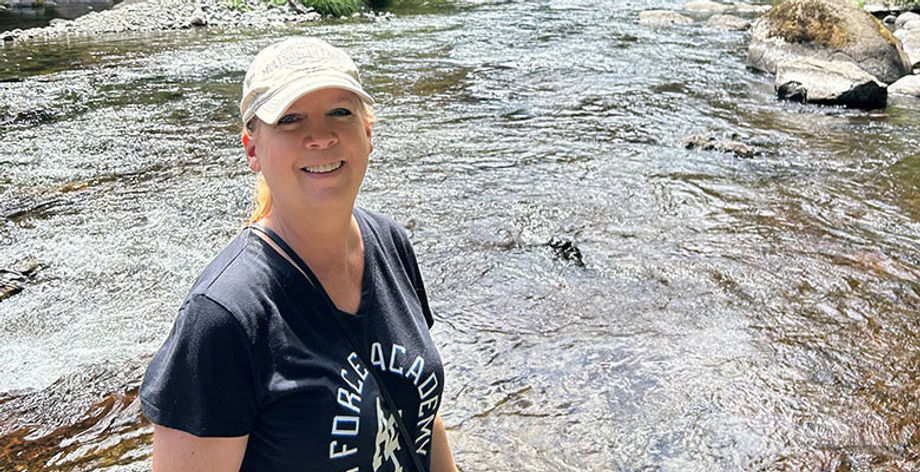 Lisa Schulteis, Founder, ElectraLime Marketing
Lisa Schulteis
Founder, ElectraLime Marketing
Long before Lisa Schulteis started the ElectraLime Marketing agency, she was working in neuropsychology with stroke, Alzheimer's and brain-injury patients. The lessons learned during that time would become crucial when her career shifted to event design.
"The Alzheimer's work showed me how differently people experience memory and recognition. When I transitioned to the rehab side, it showed me the brain's capacity to adapt, relearn and find new ways of doing things," says Schulteis, who now plans gatherings for clients like Nokia, the American College of Rheumatology and the Northwest Event Show. "I tell people all the time that we need to design for the brain, not just for logistics."
According to Schulteis, event professionals often make the mistake of designing their meeting around the ideal attendee — someone who is attentive, awake and focused. But more often than not, the people who show up are tired, burnt out and jet-lagged.
Using principles rooted in neuroscience and behavioral psychology, Schulteis focuses on making sure every attendee feels welcome, comfortable and engaged on-site. This includes adding flexible, soft seating options for keynote sessions; mixing up the education program; and offering different networking zones that cater to both introverts and extroverts. Another hack is to capture attention by considering all five senses in the event design.
"I like to incorporate tangible objects such as Play-Doh and other materials that allow participants to engage touch, smell and other senses rather than relying only on visual and auditory input," she says, noting that finding ways to surprise and delight attendees is key to creating a lasting impact. "The event isn't over when people leave. It's over when people stop talking about it."
As the daughter of a United Airlines employee, it's not surprising that Schulteis fell into the meetings industry, where she can plan and produce conferences for clients around the world. Perhaps it's the allure of travel that drew her away from neuropsychology research. Well, that and the time an Alzheimer's patient accidentally set her hair on fire.
 Min and Chase Seon, Cofounders, TalkValue
Min and Chase Seon
Cofounders, TalkValue
Sisters and cofounders Min and Chase Seon are living the startup life. The Korea natives are often jetting across continents to tend to event-organizer clients, most of whom are in Korea, the United States and Japan. Chase, the COO, is now based in New York City and Min, the CEO, is in Seoul.
What's unique about their VC-backed startup, TalkValue, isn't that it involves AI, nor that it has garnered Silicon Valley attention and investments. Rather, it's the way they define their company: They are an AI-native event-marketing agency. It's a service-oriented business, built on AI, that showcases their marketing savvy and data-based consulting. As their own marketing touts, "Half our team writes code. The other half runs events."
It's a unique approach in today's market, but arguably the direction we're headed if we're going to maximize the benefits of AI properly. Clients can license TalkValue's AI apps, but the company is really more about touting the value of their AI-fueled services than selling the tech.
That grew from demand: Their first major U.S. client, the Knowledge Group Conference, enlisted their services to move the needle on growing its brand. TalkValue sparked event demand through multiple channels — growing exposure, followers, speaker interest and a 26 percent growth in attendance. Given feedback from KGC and other clients, the Seon-led team has an almost magical knack for interpreting data and advising solutions. In a video on TalkValue's site, IAEE executive Nicole Bowman enthuses that TalkValue is providing amazing data she can't get anywhere else.
"Clients want to work with us when they care about data and they want to grow their conferences," says Chase. But she acknowledges their model might not be the best fit for everyone. "We're going to try new things. If you like that, we're going to love working together."
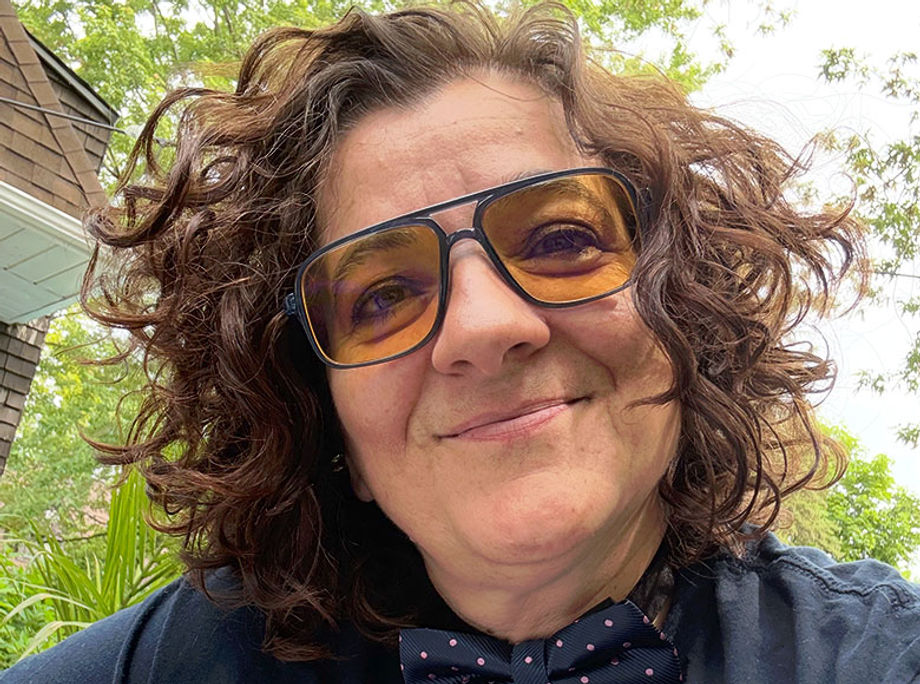 Rachel Stephan, Founder and CEO, Snöball
Rachel Stephan
Founder and CEO, Snöball
"We're not doing anything revolutionary," says Rachel Stephan, founder and CEO of the peer-to-peer event-marketing platform Snöball. "We just help event organizers get the low-hanging fruit. We're prompting people to do something."
It's as simple as encouraging new event registrants to share that event info with friends and colleagues. What's revolutionary is the rich data that's captured through the platform, revealing not only how effective such peer-to-peer platforms can be but also the specific channels where your prospective audience can be found and the conversion rate coming from each. It's incredible insight into the way people are communicating, and it's market-data gold.
"Data transparency is so important to what we do," she says — in its aggregate form as well as for her clients. Planners are increasingly responsible for attendee acquisition and their event marketing, and this data reveals what's working. Later this year, Snöball will publish its third annual Peer-to-Peer Benchmark Report, which the company shares freely with the industry.
For Stephan, the more openly the data is shared, the better it serves all planners and their marketing efforts. "A lot of marketers are getting savvier," she says. "And some clients are reporting referrals that we're not seeing, because they're tracking for an extended period. So we're learning, too, from the data they share back with us."
AI development opens up a world of analytical possibilities. Snöball just released its MCP, which allows clients to connect their AI tools directly to their Snöball accounts. It's an amazing way to interact with the data, but Stephan is quick to point out that AI itself isn't what drives their deep industry insights.
"We're relying on people, not AI," she says. "We're doubling down on humans."
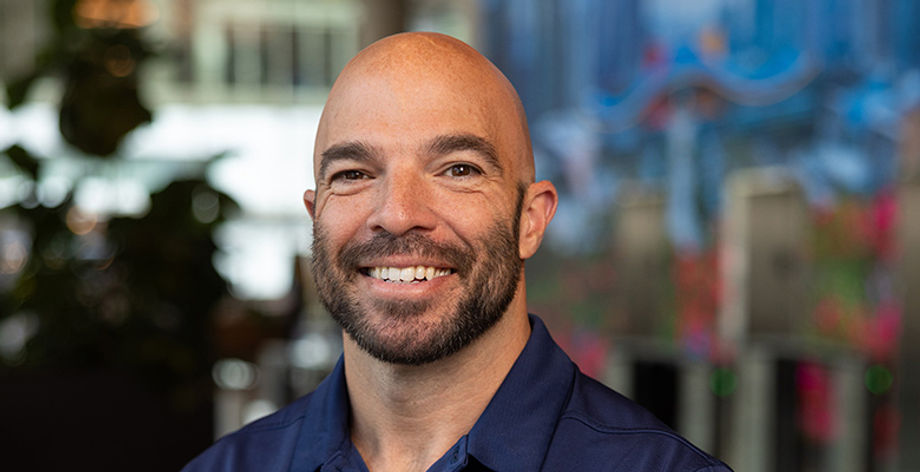 David T. Stevens, PMED, WITT-AP, Cofounder, Olympian Meeting Creator, and Host, Return on Wellness podcast
David T. Stevens, PMED, WITT-AP
Creator & Host, Return on Wellness
Cofounder, Olympian Meeting
David Stevens has spent much of his 20-year career in the meetings industry making the case that wellness belongs at the center of event design, not on the margins. As cofounder of Olympian Meeting, he helps planners think beyond step counts and smoothie breaks to create experiences that support how people feel, focus and engage.
For Stevens, it's straightforward: Better care, better performance.
"Caring about people isn't separate from performance," he says. "When people feel like they matter and that the organization actually cares about them, they tend to bring more of themselves to the work. What a concept, huh?"
That philosophy shows up in much of Stevens' work. He hosts the web series Return on Wellness, holds a Delos Wellness for Meetings and Events certificate and has been recognized for advancing healthier meetings. He also coauthored a white paper with a physician and nutrition coach examining the ROI of wellness-focused meeting design.
He's particularly interested in how wellness shows up differently from person to person. For some attendees, that might mean having opportunities for movement or healthier food options. For others, it could be psychological safety, recovery time or simply a sense of connection and belonging. Stevens' focus is helping planners build experiences that acknowledge those different needs rather than treating wellness as a single initiative or amenity.
The industry still has work to do, though: "We're definitely talking about burnout more, which is progress, but I'm not sure we're changing the behavior that creates it," he says. "I'd love to see us stop treating exhaustion as evidence that someone is important or successful.
In Stevens' opinion, the best meetings don't just fill a room — they help people show up well.
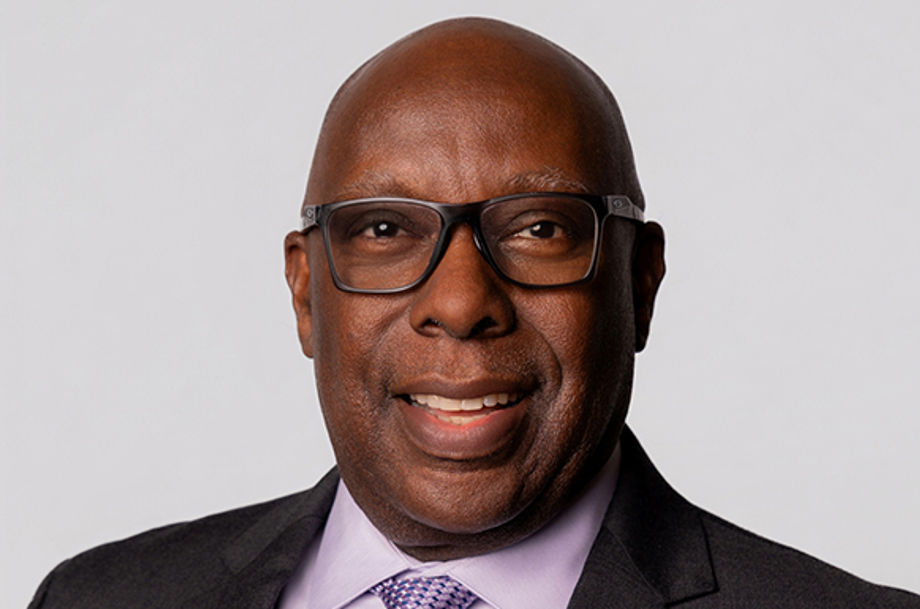 Melvin Tennant II, CAE, President and CEO, Meet Minneapolis
Melvin Tennant II, CAE
President and CEO, Meet Minneapolis
One of the greatest challenges for any destination is handling the fallout from a crisis. For Melvin Tennant of Meet Minneapolis, it has been "quite the journey," navigating the troubles Minneapolis has endured over the past six years — the pandemic; George Floyd's killing by police and the subsequent riots; and this past winter, when the city became the focus of the federal government's Operation Metro Surge that precipitated the fatal shootings of Renee Good and Alex Pretti by ICE.
As it had during the earlier struggles, the latest crisis caused the destination to lose meetings, including two large conventions booked at the Minneapolis Convention Center, as well as a number of leads "that we'll never recover again," says Tennant.
Yet eight months after the incidents and headlines, there's a renewed sense of optimism in the city: The CVB secured a number of future events, such as the 2028 NFL Draft, and hosted many high-profile gatherings, including several youth organizations, the WWE Slam and three Savannah Bananas baseball games, since the spring.
Tennant credits lessons the CVB learned from the earlier incidents with helping the destination recoup its meetings business.
One was that the CVB kept transparent communication with everyone — clients, residents, stakeholders and members — during and after the crisis. "To be a true, trusted resource, we have to be able to share news that is sometimes not necessarily positive," noted Tennant.
Another was not relying on the media to tell customers about the city's recovery. He tasked his sales team with sharing the positive news, sending his team on the road for face-to-face customer meetings. "We had to get out in front of those decision-makers and tell our story ourselves."
Tennant was honored in July with Destinations International's Destination Organization Leadership Award not only for his contributions to the industry, but also for shepherding his team and the city through several rough years, as well as his ability to operate at a high level in the midst of trauma and tragedy.
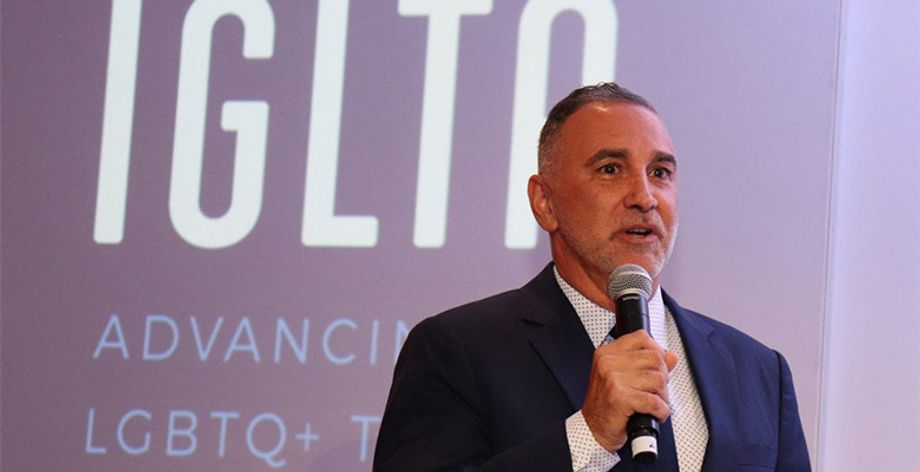 John Tanzella, Former President and CEO, IGLTA and the IGLTA Foundation
In Memoriam: John Tanzella
Former President and CEO, IGLTA and the IGLTA Foundation
A visionary leader with an enormous heart who made friends wherever he went and inspired support around the world — that's how many described John Tanzella, former president and CEO of the International LGBTQ+ Travel Association, following his death in June.
During nearly two decades leading the IGLTA, Tanzella helped elevate LGBTQ+ travel from a niche segment to a larger part of the global tourism conversation. Under his leadership, the association expanded its international membership, deepened relationships with destinations and travel brands, and pushed for greater visibility and inclusion for LGBTQ+ travelers across the industry.
Tanzella's influence extended far beyond the association. A frequent speaker, advisor and advocate, he spent years building connections among destinations, tourism organizations and travel professionals while encouraging the industry to view LGBTQ+ inclusion not as a special initiative but as a business and community imperative. His work helped create new opportunities for education, partnership and representation throughout the travel sector.
One of Tanzella's most significant contributions was the launch of the IGLTA Foundation in 2012. Established to advance LGBTQ+ leadership, research and education, the foundation has supported students, emerging professionals and industry leaders through scholarships, professional development programs and research initiatives.
His loss continues to be felt across the industry he helped shape.
"John was beloved. Not just respected, beloved. By colleagues, by partners and by people around the world who saw in him a leader who showed up fully and led with his whole heart," Destinations International COO Gretchen Hall wrote in a tribute.
For many in travel, Tanzella's legacy lives on not only through the organization he led, but through the more connected, visible and inclusive industry he worked to build.