A rather remarkable year has passed since we last named our Influential #Eventprofs: The bright-eyed optimism of late 2024 gave way to the wildly shifting sentiments of 2025, as economic uncertainty and geopolitical tensions put many industry professionals on shaky ground. What has remained consistent across most sectors, however, is the belief in the value of face-to-face events. This year’s standouts have worked hard to demonstrate that value as they strive for the long-term betterment of this industry and the people who work in it. Without further ado, we present this year’s curated list of outstanding influential event professionals.
Alexander Alles | Greg Bogue | Anthony Capuano | Oscar Cerezales | Jennifer Collins | Rudy Garza | Dahlia El Gazzar | Kevin Hinton | Vic Isley | Nicola Kastner | Jordan Lacey | Liz Lathan | Cindy Y. Lo | Brett Sterenson | Melissa Thompson | Amy Wood
 Alexander Alles, Joint Meetings Industry Council
Alexander Alles
Executive Director, Joint Meetings Industry Council
Although founded in 1978, the Joint Meetings Industry Council, a global coalition of 15 industry associations, only hired its first full-time employee three years ago. Alexander Alles continues to hold down the fort in Brussels, keeping the JMIC on track as it represents the combined interests of major international industry associations — and promotes change through community, sustainability, diversity and inclusivity, well-being, and collaboration.
His task has become more difficult this year, as geopolitics stir things up throughout the travel and events industries. “The current global political situation highlights why JMIC’s role as a neutral, worldwide platform is so important,” Alles says. “JMIC is working to encourage conversations, build trust and highlight the role of our industry.”
One of Alles’s main focuses is sustainability through Net Zero Carbon Events, an initiative to address climate change. “There’s broad awareness and good intentions, but different levels of progress,” he says. “The next step for NZCE is to shift from making promises to actually measuring and reporting progress.”
JMIC has a like-minded counterpart in the United States, the Events Industry Council, which counts 30 industry-related associations, as well as many CVBs and corporations, as its members. The two councils are teaming up this year to produce the next iteration of the Global Economic Significance of Business Events Study from Oxford Economics.
“Policymakers and stakeholders value solid evidence, and with a unified set of numbers showing the scale and impact of business events worldwide, our industry can speak with one clear, powerful voice,” Alles notes.
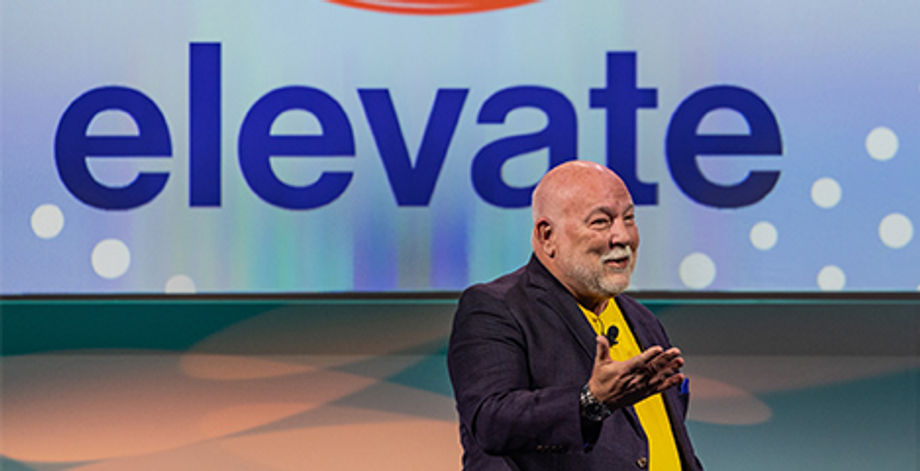 Greg Bogue, Maritz Photo Credit: Maritz
Greg Bogue
Chief Brand & Experience Officer, Maritz
His passion for experience design is Greg Bogue’s superpower, and he glows with it as he talks about creating events that engage audiences as well as they inform them.
Currently chief brand and experience officer for Maritz, the third-party meetings and incentive firm, Bogue has spent the past 15 years of his 30-year tenure at the company refining the event-design concepts that shape gatherings today, working with Maritz president David Peckinpaugh to brainstorm ways to get participants involved in their own meetings experiences. “What do you want the arriving experience to be? What do you want the exiting experience to be?” he asks.
Bogue is particularly concerned with how event design is evolving, and he generously shares his insights and processes through speaking gigs around the industry.
"I believe we’re heading into that stage now where guests are going to be the authors and creators of their experiences," he says. "The whole educational aspect of events, I think that’s the next area for great disruption; people want to build stuff together. And the moment when a guest has that ‘aha’ experience is worth it all."
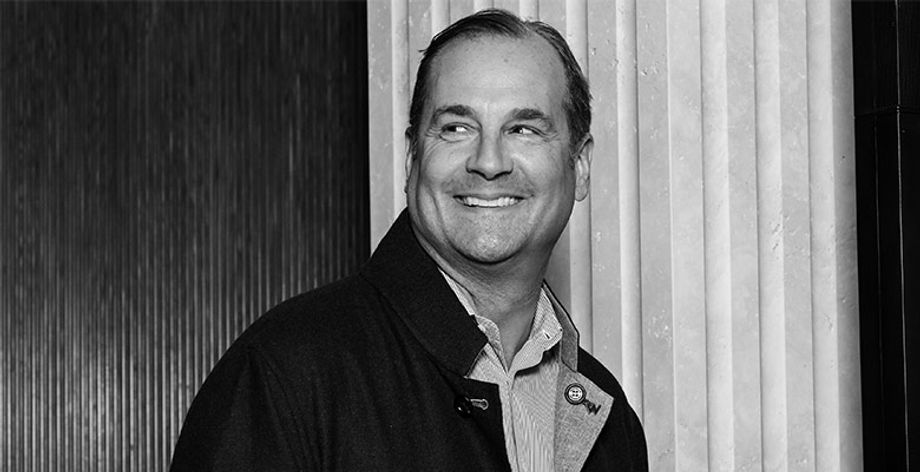 Anthony Capuano, Marriott International Photo Credit: Marriott International
Anthony Capuano
President and CEO, Marriott International
When the new administration took office in January and immediately terminated all federal diversity programs — and overtly threatened them in the private sector — one major corporate executive quickly pushed back.
"All of our businesses are built on some simple beliefs: the ability to welcome all into our hotels and the chance to create opportunities for all," said Anthony Capuano, president and CEO of Marriott International, at Northstar Travel Group’s ALIS hotel-investment conference in January. "And those will continue to guide how we operate our businesses."
Capuano's comments were made during a panel discussion. "Then I went back to my room and said, 'Gosh, I hope I said the right thing,'" he wrote on LinkedIn. The companywide response was immediate: In the next 24 hours, more than 40,000 of his employees — about 10 percent of the company's workforce — emailed to say thank you.
"Everything evolves," Capuano told Northstar publication Travel Weekly. "The world changes, but we won't fundamentally deviate even a bit from the core principles of welcoming all and creating opportunities."
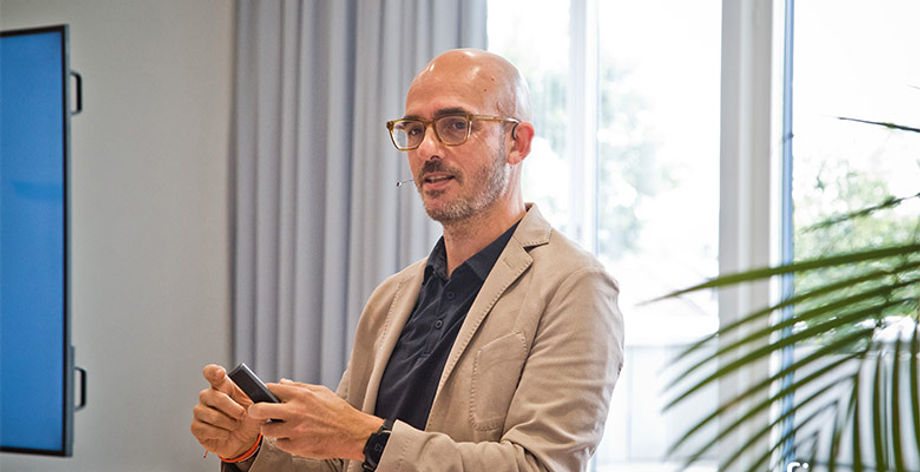 Oscar Cerezales, MCI Group
Oscar Cerezales
Global President, MCI Group
When Oscar Cerezales chose a career in the events industry, his mother cried. She had hoped he would be a lawyer, an engineer or a doctor. But while working at a consulting firm in his hometown of Barcelona, Spain, Cerezales was assigned a project that was linked to tourism and business events, and he found his calling.
A self-described lover of frameworks and tangible results, Cerezales is especially passionate about turning traditional conferences into communities, think tanks and impactful gatherings that people actually want to attend.
These days, his biggest pain point isn't tariffs or AI, but the fact that people are lacking some very critical soft skills, such as problem-solving and critical thinking.
"We tend to be very, very focused on the obvious [problems], the short-term ones… and we tend to underestimate the hidden ones, the ones that are impacting the long term," Cerezales says.
With that in mind, he is striving to support the transformation of MCI, a global marketing and communications collective, by driving sustainable growth and recruiting top talent. As the recently named global president of the organization, Cerezales appears at many events around the globe, speaking on related industry challenges and goals — which is why, after spending the majority of his time traveling from his current home in Chicago to Europe and Singapore, his immediate goals are to spend more time with his family, have fun and "breathe, sometimes."
.jpg?tr=w-920%2Cfo-auto "Jennifer Collins, JDC Events") Jennifer Collins, JDC Events
Jennifer Collins, JDC Events
Jennifer Collins, CMP
President and CEO, JDC Events
Having launched her own planning company two weeks before 9/11, Jennifer Collins has experience improvising when business goes south. Back then, she had one client — and they canceled.
The seasoned professional now has a large stable of clients in the corporate, association and government sectors. But when her company lost 10 government contracts at the beginning of this year, she found her team scrambling once again.
"We're really strategizing on how to end the year strong, since we started out at an amazing loss,"
she says.
To do this, Collins searches for partnerships and collaborations that can fill the gap created by a lack or loss of funding. For example, JDC Events previously managed a program for an organization that wanted to increase the number of students that would go into science, technology, engineering and math. The organization partnered with the Robert Wood Johnson Foundation to create the Young Epidemiology Scholars Competition, which found students throughout the country interested in pursuing careers in STEM. The students then would compete for the scholarships to study in the field, and now many of them are doctors, physicists and other professionals on the scientific spectrum.
"Collaboration is the new capital," she adds. "Any organization that is interested in truly finding the right collaboration for them, look in your backyard, see who you're working with, see what your mission is. What is it that your mission can do that can fill a gap that's potentially being built right now because of funding being taken away from other sectors or spaces?"
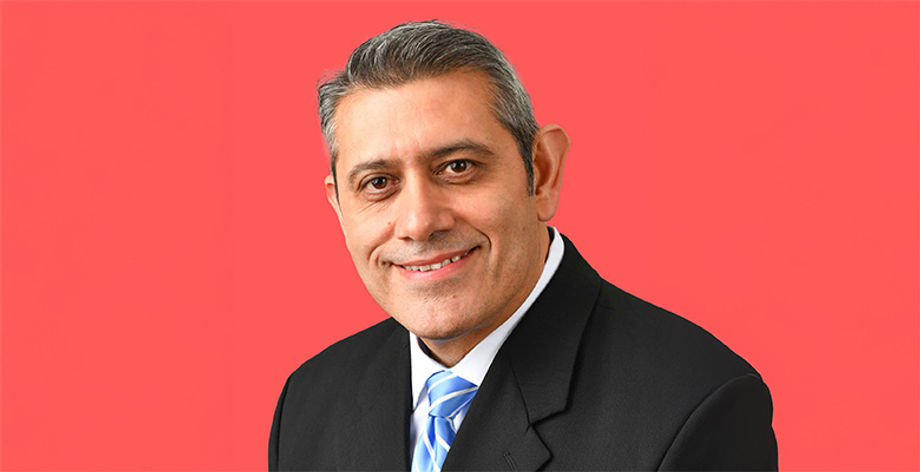 Rudy Garza, Brightspot Incentives & Events
Rudy Garza, CITP, IP
President and CEO, Brightspot Incentives & Events
Rudy Garza wasn't looking for a career change 14 years ago when his friend Mike May asked him, out of the blue, to join May's then 20-person company, Brightspot Incentives & Events. Garza, who had been working in corporate finance, took a leap of faith and took the job — and hasn't looked back.
"To this day, I can't believe I left," he muses. "I knew very little about incentives until then but got excited about motivating people; it struck a chord."
He has served as vice president of operations at the organization and has been part of the company's successful climb into a top third-party incentive firm, with more than 100 employees and 75 clients. When he joined the company in 2011, just 20 percent of Brightspot's programs had a travel component; today, more than 60 percent of their programs include a travel element.
This past July, Garza was caught off guard again when May called to say he was stepping back from his position as president and CEO, and he was naming Garza as his successor, effective immediately.
"Stepping into this role is both humbling and exciting," says Garza. "I care deeply about our people and the clients we serve. We've built something special together, and I'm committed to keeping that momentum going."
He knows he made the right decision when he jumped at May's first offer. "I grew up in a family with very little means," Garza remembers, "and the first time I traveled by plane was when I was a senior in college. Now I am literally traveling the world for my company and with other industry colleagues. I still cannot believe I get to do what I do every day."
Garza's industry leadership extends beyond his role with Brightspot. He's been active in the Incentive Research Foundation for many years, serving first on the IRF research committee and currently on the organization's board of trustees, holding the prestigious role of chair of the research committee. "I believe [the IRF has] a huge influence on the incentive industry. It gives organizers the data they need to go to the C-suite and explain how incentives help the company's finances, culture, recruitment and retention."
 Dahlia El Gazzar, Dahlia+ Agency
Dahlia El Gazzar
Tech Evangelist + Idea Igniteur, Dahlia+Agency
Dahlia El Gazzar probably has done more than anyone over the past decade to help eventprofs and event-tech companies understand one another better. Together with her band of collaborators at the Dahlia+Agency, she has provided event-tech education, marketing consultation and overall sage advice. And, particularly in the past year, she has sought to ensure all of it is very relatable and, well, human.
That last part is key, she says, because never before has it been so essential that we retain a focus on the human role in event tech.
“We are in a totally extreme moment,” says El Gazzar. “The human factor is missing from this rat race we’re in. We are in a pressure-cooker scenario, where the speed-to-market pressures and expectations have never been higher, thanks to the potential of AI — and it just isn’t humanly possible within the context of our events to pull it all off.”
Make no mistake: El Gazzar is as excited about the tech as she ever was, and her app recommendations and workshop-like AI sessions are wildly popular. She is both forward-thinking and deeply concerned about the organizational pressures eventprofs are encountering in the rush to innovate, in the collective eagerness to take advantage of the tremendous speed to market.
“Can AI help us? Yeah, absolutely,” she says. “Are we giving ourselves the time to figure it out, though? You can have a working prototype in the snap of your fingers now. It’s amazing how quickly we can prototype what we dream up. But when are you going to test it out to make sure it works at your event? What happens when the tech becomes old school in, like, two days? This is shiny-object syndrome at an unheard-of pace.”
That’s why tech education needs to embrace change management better, El Gazzar believes. “Creating the tech is now less of a problem. What’s going to be hard is the human-loop aspect. With the potential of all the technology we’re looking at, people are losing faith in the humans who should be the ones to test; or to say slow down, wait a hot minute, we need to fix this before you launch it. Because everyone wants to innovate. Everyone wants to be the first to market. Everyone wants to be known for this stuff.
“What I’m trying to figure out is how we slow down the conversation in order for humans to catch up and be included,” she says. “Let’s make sure our people aren’t breaking.”
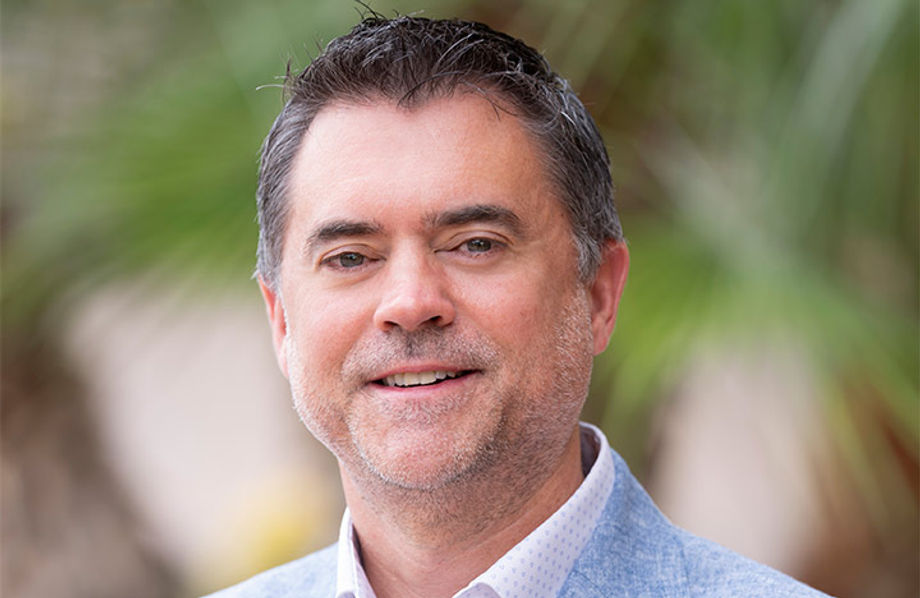 Kevin Hinton, U.S. Travel Association
Kevin Hinton, CAE
Managing Director, Group Travel, U.S. Travel Association
Kevin Hinton has spent the entirety of his career in the hospitality and events realm. He’s held executive roles with hotel sales and marketing firms Hinton & Grusich and Associated Luxury Hotels International, was CEO of the Society for Incentive Travel Excellence, and served as an association consultant before becoming the managing director, group travel, at the U.S. Travel Association in October 2024.
In his current role, he's a high-profile advocate and storyteller for the domestic and inbound U.S. meetings industry for the U.S. Travel Association. His key message: "When people come together in person, a lot of good things have the potential to happen."
Sharing those positive outcomes — scientific breakthroughs, advancements in technology, boosting destinations' economies — with government leaders and the public is a big part of his job. He regularly speaks with CVBs about their success stories, citing the recent BIO Convention in Boston as one example, which attracted more than 9,300 overseas attendees and had an estimated total economic impact of $35 million for the city.
Making the United States a more welcoming place for international delegates is another area of focus for Hinton and U.S. Travel. They urge the federal government to ease onerous challenges — such as flight delays and cancellations, visa wait times, and rising visa fees — which he says are "making it more difficult and expensive to come here."
He recalled a recent conversation with a planner who said their company wanted to bring a meeting to the United States in 2028 to celebrate their company's anniversary, but they're hesitant because they feel like there will be too many visa denials. His goal is to remove such barriers to the growth of group travel. He also hopes to find ways to advocate for our industry better, so events are viewed as "not just something nice to have, but as a crucial industry that helps companies, destinations and people."
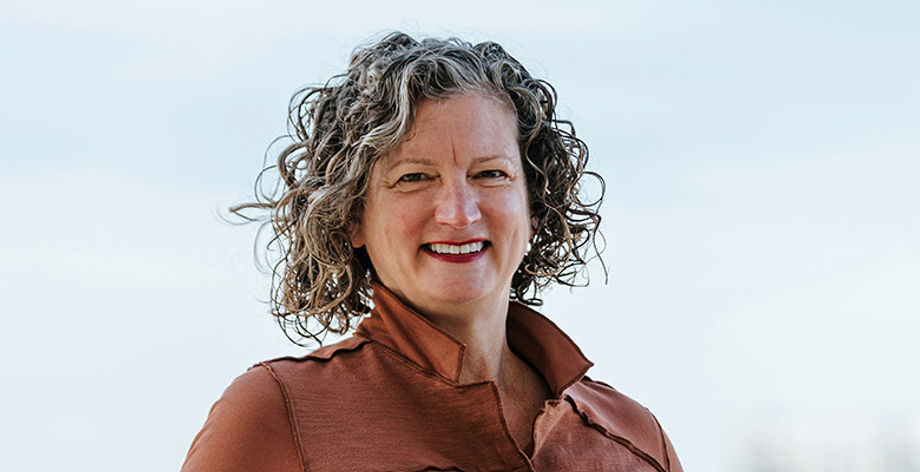 Vic Isley, Explore Asheville
Vic Isley
President and CEO, Explore Asheville
On Sept. 27, 2024, Hurricane Helene ravaged Asheville, N.C. One year later, the city's recovery efforts have made great strides but still are underway, and Vic Isley, president and CEO of the local convention and visitor bureau, is one of the people making the city whole again.
From day one, Explore Asheville partnered with other CVBs that are no strangers to hurricane relief, such as New Orleans and Co., and rallied support from country music artists like Luke Comb, an Asheville native, and Eric Church, whose hit "Carolina" became an anthem. The resulting Concert for Carolina was held in Charlotte, raising more than $24.5 million for western North Carolina.
Working with local chefs in both locales, a dozen dinners hosted in New Orleans garnered more than $100,000 for Asheville's independent restaurants. Through the Always Asheville fund, nearly $2.2 million in small-business grants have been administered to more than 500 organizations in Buncombe County. "I think that just speaks to the relationships that we have and how we take care of each other, as well as our own communities," says Isley.
While leisure travel and vacation rental demand still are down, group business has broken records. "Our business development team has booked more conferences and events in the next year than we ever have in the history of our organization," Isley said. "Meeting professionals understanding the role that bringing conferences and events to regions in recovery has been so meaningful to us, and to our community and hospitality partners."
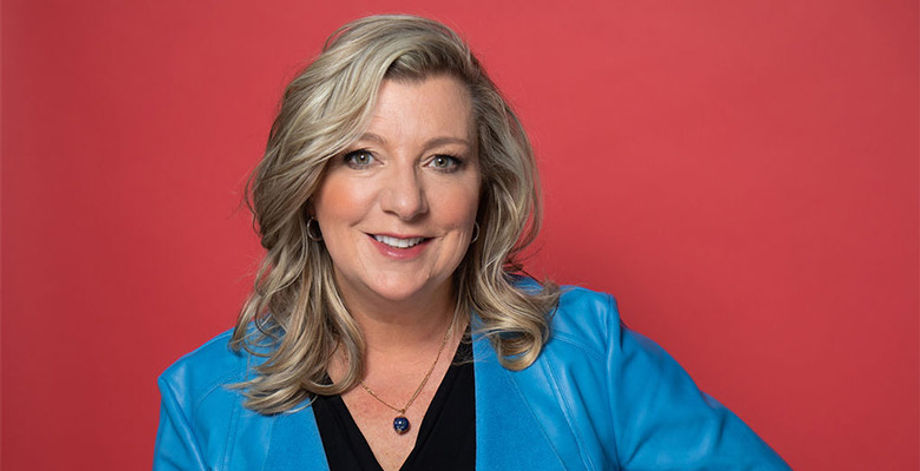 Nicola Kastner, Event Leaders Exchange
Nicola Kastner
CEO, Event Leaders Exchange
When Nicola Kastner became head of the Event Leaders Exchange in the spring of 2024, the exclusive, invitation-only community was 88 members strong. About a year later, the ELX community boasts 251 members, all global heads of events for the world's largest corporations.
More important than numbers, though, Kastner is laser-focused on maintaining a high level of engagement in this group of pioneering thinkers. "I believe every new member brings value and different insights and different perspectives that will add value to the community," she says.
"We now focus on how we keep the magic," Kastner adds. "How do we maintain that and how do we scale the magic of what we are and what we represent?"
First and foremost, it's about ensuring community members are truly contributing: "I make it very clear there's an expectation for participation," she notes. "To me, it's not about collecting the corporate logos. It's about having people who are engaged and participating in this community."
This year, contributing to the community has meant also being a part of a crucial conversation about geopolitical influences on our businesses. In early February, toward the end of an off-the-record ELX community call, a member broached the topic of what was happening with the new U.S. presidential administration. "No one was talking about it yet," recounts Kastner. But with five minutes remaining on that call, she'd suspected they'd need more time.
"We scheduled another call and we had 25 percent of our membership show up with a week's notice," she said. There was no other forum at which such a group could openly discuss their initial concerns about the executive orders and the uncertainty that very likely would affect their events.
"I took the takeaways from that call and started to look for other resources," says Kastner, and she quickly grew frustrated at the lack of dialogue that was taking place. "Why are we not talking about this as an industry? I kept waiting and it didn't happen. So that's why I wrote the 'I'm concerned' post on LinkedIn."
For many, Kastner's March 2025 post, a call to address proactively the risks posed by the administration's new policies, helped to spark an industry discussion that was previously lacking. "I hadn't planned on leading the charge," she says, "but I was happy to at least start the right conversations."
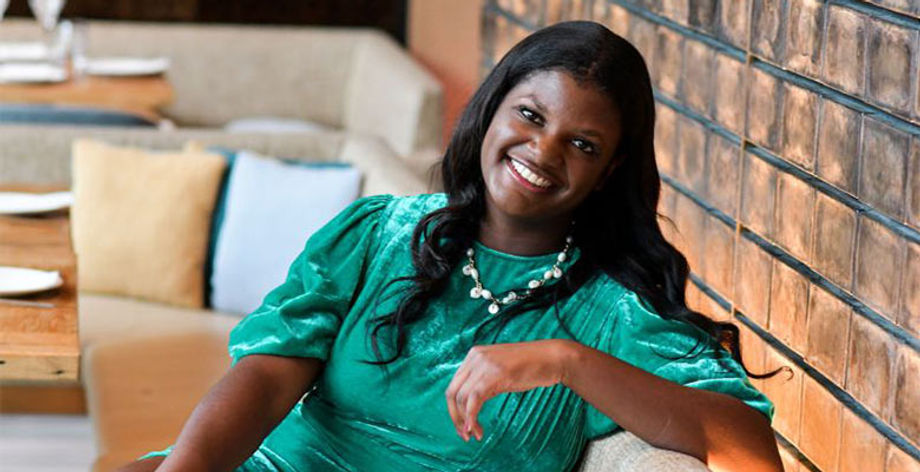 Jordan Lacey, Capitol One
Jordan Lacey, CMP
Project Manager, Tech Events, Capital One
Jordan Lacey is an impressive professional by any measure. But when you learn that this event planner started as a hotel event manager, moved up the ladder in corporate event marketing, earned her MBA along the way, and also serves as CEO of a charity she founded — all before hitting the age of 30 — it's clear she's a rising star.
This industrious Gen Z professional began her meetings career at two Marriott properties in New York City. While studying for her Certified Meeting Professional designation, she became fascinated by event strategy. "After passing the exam I knew that I wanted to be on the event-marketing side," Lacy says.
Her first pure planning jobs were with JPMorgan Chase and Schneider Electric. She currently serves as project manager, tech events, at Capital One, where she blends her expertise in event strategy and technology into impactful, engaging experiences. On the side, her charity, Light the Candle USA, creates handmade birthday cards for and marks the milestones of children living in foster care.
The events industry has taken note of Lacey's accomplishments: This year, she has won rising-star awards from both Meeting Professionals International and the Professional Convention Management Association.
One thing Lacy advocates for is making sustainability a universal standard. "I believe we have a responsibility to reduce the environmental impact of events and create experiences that respect the planet while still being impactful for attendees," she told PCMA.
 Liz Lathan, Club Ichi
Liz Lathan, CMP
Cofounder, Club Ichi
When Liz Lathan got her start in the events industry, she realized there wasn't a place to ask "dumb questions." Now, after gaining two decades of experience, including working her way up to event marketing director for companies like IBM and Dell, she took it upon herself to create such a space.
"Club Ichi was born out of necessity," says Lathan. "In all my years working in corporate and association events, there wasn't really a place to find other people like me and ask questions about things my boss thought I knew."
The idea to connect young and seasoned event professionals in a more fun and relaxed way started as a monthly supper club in Austin, and quickly grew into a Slack channel with 600 event professionals. To meet this growing demand, in 2023 Lathan and her business partner, Nicole Osibodu, officially launched Club Ichi, a "professional network that moves like a social club." In less than two years, the community has grown to 11,000 event professionals.
"The industry associations are great but they're really for formal education and getting certifications," says Lathan. "Our vibe is really great conversations and one-of-a-kind experiences where you get to know each other as humans before you get to know each other as businesspeople."
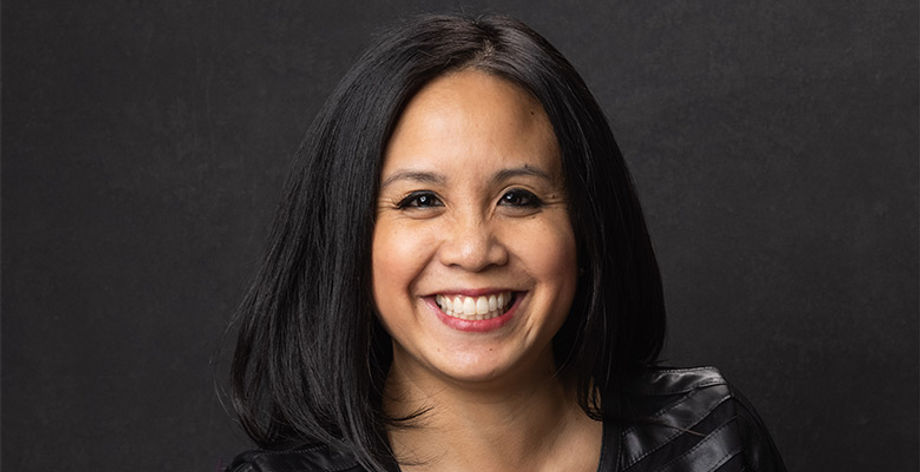 Cindy Y. Lo, Red Velvet and Strong Events
Cindy Y. Lo
CEO, Red Velvet and Strong Events
In tough times, some event professionals leave the industry. Cindy Y. Lo, on the other hand, decided to jump head first into meeting planning during one of the industry's worst downturns, in the wake of 9/11.
Once she set her sights on events, nothing was going to stop her. Rejections due to her lack of industry experience only fueled her flame. "I ended up starting Red Velvet because everyone said that I needed more experience," says Lo, whose full-service events agency now has worked with major brands such as Delta, Dell Technologies and Four Seasons. "I thought, well I'll start my own events company and give them experience."
In 2023, Lo further expanded her industry influence and expertise by acquiring Strong Events, which specializes in event design, décor and custom fabrication. In addition to running both companies, Lo serves on the executive board for Visit Austin and mentors business students at her alma mater, the University of Texas at Austin.
"I want to build the next generation of people who can see this as a long-running career," she says. "I would love for people to get more into the habit of talking about events as a career, just like you would a doctor, lawyer or a teacher."
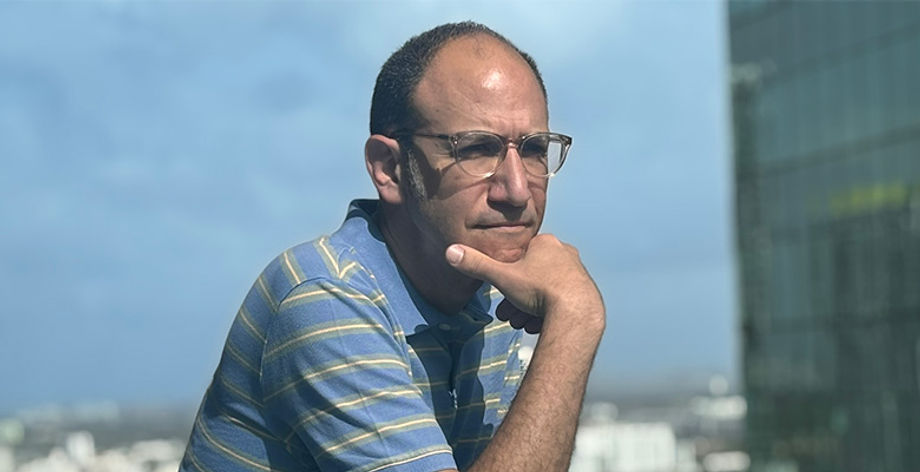 Brett Sterenson, Hotel Lobbyists
Brett Sterenson
President, Hotel Lobbyists
The past year has been a notable one for Brett Sterenson. The site-selection specialist wrapped up a banner year for 2024, having booked 467 meetings in total — the vast majority of them government conferences. Then, on Jan. 20, the trajectory of business for his 18-year-old firm, Hotel Lobbyists, took a very sharp turn.
With the arrival of the new administration and the accompanying executive orders, Sterenson immediately saw a cascade of cancellations: an average of two per day for the first month or two. When the dust cleared in April, 66 events had pulled out, representing nearly $3.3 million in lost hotel revenue and just over $250,000 in lost business for Hotel Lobbyists.
Given the volume of government business he typically does, he felt the losses intensely. And, perhaps most significantly, he was open about it. Not to elicit sympathy, but rather to clarify — and help quantify — the effects that policy decisions were having on this facet of our industry. Sterenson was one of the few eventprofs who shared statistics, assigning dollar figures to the uncertainty.
Sterenson's cancellations have stopped and, he says, there are glimmers of hope. But as of August, "the pipeline is nearly nonexistent," he says. In normal years, he'd have "dozens and dozens" of pending programs for the coming year, whereas now he has "maybe a dozen."
"I'm not pressing a panic button," Sterenson says, "but I could see where hotel general managers would be. Based on historical data, they should have more on the books now. But I can't compare this to previous years. I think the average taxpayer would be shocked at the kinds of meetings that aren't happening."
There's still plenty of time for government meetings business to come back to life in 2026, Sterenson posits, but it's a topic that needs to be monitored. He adds that the importance of face-to-face meetings should not be a partisan issue.
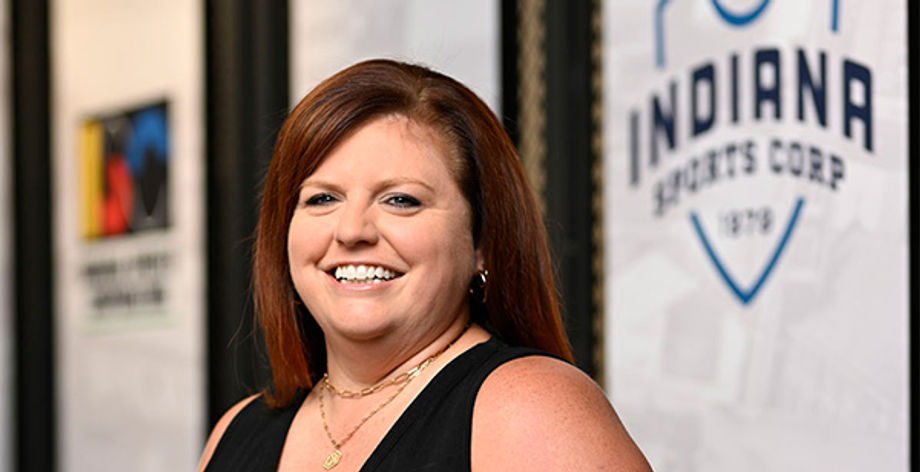 Melissa Thompson, Indiana Sports Corp
Melissa Thompson
Vice President of Bids and External Affairs, Indiana Sports Corp
Super Bowl XLVI, the NBA and WNBA All-Star Games, the Big Ten Football Championship: These are just some of the major sporting events that Indianapolis has welcomed to town, thanks to the Indiana Sports Corp.
Melissa Thompson is one of the people tasked with securing those events. "We play above our weight class from a sporting-event perspective," says Thompson, who also is on the executive board of the Sports Events and Tourism Association.
The Indiana Sports Corp already is looking ahead to the next 25 years, calling it the "2050 Vision." One priority is focusing on sports academia; another is becoming the capital of women's sports. While many cities are vying for that title, it doesn't hurt that Indianapolis has Caitlin Clark, one of the stars of the WNBA's Indiana Fever, as a draw.
The next couple of years there are some top-notch events on the docket for the city, thanks to Thompson's hard work. The NCAA Men's Final Four is coming to town in 2026 and 2029, and the NCAA Women's Final Four will be played there in 2028. The U.S. Swimming Olympic Team Trials will be held there in 2028, with the winners going to the LA28 Summer Games.
"While our relationship with the NCAA is a little different than other cities with them being located here, Indianapolis still goes through the same bid process as other cities," says Thompson, who is looking ahead to the 2030s. "They usually start 10 years out and there is an extensive RFP response process that lasts for about 18 months After the 2026 Final Four, we will start the process to bid for years 2032-2036."
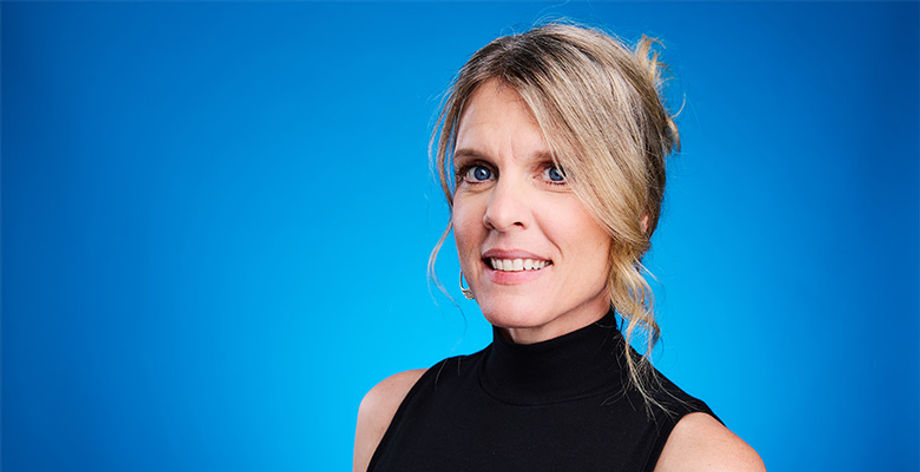 Amy Wood, Salesforce
Amy Wood
Manager, Accessible Events & Real Estate/Travel, Salesforce
Amy Wood knows firsthand how frustrating it can be to attend an event that isn't truly accessible. As a deaf person, she's had planners assume that hiring an interpreter will meet her needs. Wrong. Wood doesn't know sign language, so she requires captioning and optimal seating for lipreading in order to participate fully; but she says her requests sometimes are ignored.
"It's a perfect example of good intentions missing the mark," says Wood. "When planners take the time to listen and understand that people's needs vary, that's when accessibility becomes real."
When Wood joined Salesforce as an event supervisor in 2019, she identified opportunities to plan properly for those with disabilities, dietary restrictions and other needs.
She eventually created Salesforce's first accessible-events playbook, and now publishes an annual accessibility guide for the flagship Dreamforce conference, which draws more than 40,000 attendees. Crucially, the guide is a living, evolving document that is frequently updated. "We're focused on creating an environment where people feel welcomed and not just accommodated," she says.