 Photo Credit:VanderWolf Images for Adobe Stock
Global Sustainability Efforts
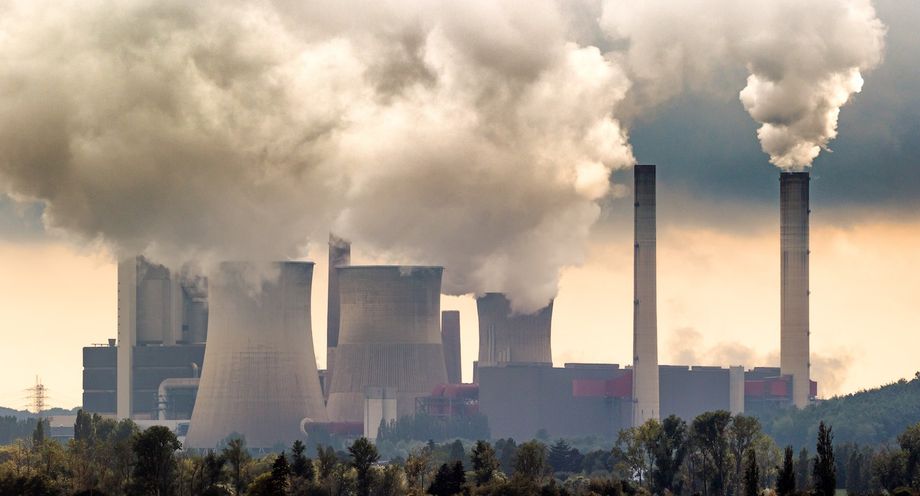
In a 6-3 decision on June 30, the Supreme Court said that the Clean Air Act does not give the Environmental Protection Agency broad authority to regulate power-plant greenhouse-gas emissions that contribute to global warming. According to the Associated Press, the ruling could have far-reaching consequences — and make it harder for the Biden administration to meet its goal of having the U.S. power grid run on clean energy by 2035.
With government regulatory authority now limited, the ruling worries experts in sustainable meetings, as well. "Given the decisions that the Supreme Court has taken as of late, we are concerned this may bring a lack of accountability for any environmental goals made by corporate organizations," said Nancy J. Zavada, president of Portland, Ore.-based MeetGreen, a third-party planning firm that has long focused on helping clients meet sustainability goals. "We work closely with a multitude of larger corporations, many of which have preexisting goals towards net-zero emissions. Whether these companies stand by those commitments, and if those that have remained silent on the matter speak out moving forward, will be the telling sign of their true level of commitment towards a more sustainable future."
Fiona Pelham, CEO of Positive Impact Events, is similarly on alert for how this decision could affect corporations and all their policies going forward. "The question for event professionals to consider now is whether to use this slow government change as an excuse — or to take action to future-proof their businesses and meet the demands of clients who have made commitments in response to demands from increasing numbers of customers," she said.
Making it easier for meeting planners to reach sustainability goals, this week the Events Industry Council's Centre for Sustainability & Social Impact launched an enhanced version of its Sustainable Event Standards, a set of eight guidelines designed to assess events and industry suppliers in support of environmental and social responsibility. Updates to the standards include a new Foundations Level, replacing the original industrywide criteria, now emphasizing education, tools and resources to support adoption; improved ease of use and expanded criteria; integrated property standards for accommodation, venue, and food and beverage; a new certification model for industry suppliers that includes a comprehensive audit; and clearly defined responsibilities for event organizers and for their suppliers.
"Globally it will be up to citizens to hold our governments accountable for their responsibilities and commitments as outlined in the Paris Agreement," said Amy Calvert, CEO of the EIC. "Part of that needs to be a constant and continued push forward on the call to action within our organizations and communities to establish targets, and transparently measure and report our progress."
She added, "EIC's standards take a holistic approach to sustainability and social impact, aligned with the UN Sustainable Development Goals. The standards act as a framework for collaboration and impact with priorities in all aspects, including climate action, circularity, diversity, equity and inclusion, and accessibility."
According to the AP, the United States has been gradually transitioning away from coal to cleaner sources of electricity such as natural gas, solar energy and wind, often because they are less expensive. Most experts don't think the recent Supreme Court decision will immediately reverse that trajectory, the AP adds.
But the ruling could slow the transition to clean energy in the future because of the constraints it has imposed on what the EPA can do without exceeding its legal authority, the AP argues. This prospect is a key concern that extends well beyond the meetings industry, with climate experts warning of dire consequences as global temperatures and extreme weather conditions steadily rise.