 Photograph by dreamer for Adobe Stock
While many in the meetings industry talk about sustainability, few are
tracking and publicly reporting on their efforts on going green. Last year, third-party event management firm Maritz released its first-ever Climate & Impact Report detailing their 2023 carbon-emissions and environmental-action plan. This spring, the company published an updated report which shows its emissions dropped companywide by 11 percent in 2024.
The St. Louis-based company, which specializes in incentives and
events, also is rolling out a companywide sustainability-education
program this year, and now offers more than 400 environmentally friendly
items in its rewards program. But more ambitious goals are on the
horizon: Maritz has committed to reaching net-zero value-chain greenhouse-gas emissions by 2050 (which means the company's aims to have its suppliers working on the same level of sustainability as they are), and has set an interim target of 50
percent emissions reduction by 2030.
In an interview at Meeting Professionals International's 2025 World Education Congress, Maritz COO Steve O'Malley
sat down with us to discuss the past, present and future of
sustainability in meetings and incentives. (You can read about how
Maritz also is involved in the fight to address human trafficking here).
You've been with Maritz for 35 years. How has the company's approach to sustainability changed during this time?
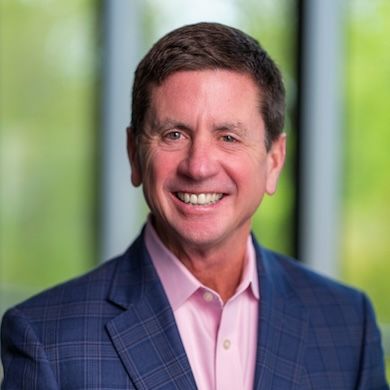 Steve O'Malley, COO, Maritz
It wasn't really a thought back when I started
in 1990. As with many companies in the United States, Earth Day was the
only sustainability thing that got publicity. So our approach to it has
evolved dramatically, and I'm proud of the work that we've done, but
there's always more to do.
One of our five strategic priorities
for this fiscal year is sustainability and how we can take our approach
to the next level. We've been working on it ad hoc, I'd say, for over a
decade, with green committees and things like that. But bringing on Rachel Riggs
as our general manager of environmental strategy, and putting a team and
a plan behind it has really focused us on the impact that we can have
not only as a company, but also the impact our company can have on the
industry.
What results are you seeing from these efforts to go green?
We just published our latest climate impact study,
so you can see some of the progress that we've made. We reduced our
corporate carbon emissions by 11 percent last year and our EcoVadis
score is on the climb, which is a judge of how we're doing against our
own sustainability targets. EcoVadis is also becoming essential to
participate in RFPs for some of our business. So we're making the
progress that we need to but it's going to be quite the journey.
We have a net-carbon statement and set a goal of 2050 — and I'm
confident that we're going to get there. Much of our partnerships in the
industry — whether it's airlines, hotels or convention centers — they're
also partnering in that, and for us to be successful in achieving our
target, we're going to have to work with the kind of suppliers that have
that same commitment. So we're in consistent discussions with them, and
we're looking at ways that we can favor the partners that have the right
approach to net zero and do more business with them.
Our commitment is to keep investing more in sustainability because we
are a fairly important brand in the industry, and I think that makes a
statement that hopefully the industry will follow. Some of our clients
are very mature in their approach to sustainability but others aren't as
advanced, so our ability to help educate them is going to put pressure
on the industry to move in the same direction that we're moving in.
We've had some great success with some of those clients and have done
a carbon audit of their events in order to help them improve year over
year. We even have one client we're working with on their entire
portfolio of events because they want to really amp up sustainability
along every event they do.
Do you see the push for sustainability coming more from Maritz and the planning side or from the clients?
I think that it's going to be a little push and a little pull. A lot
of health-care, pharmaceutical and even automotive clients are pretty far
down that path in making sure their supply chain, including us, is
abiding by the right steps to improve the sustainability of their
business.
Any of the customers we work with that have a European base are
far ahead and have been doing this for quite some time. But we work with
2,000 clients on an annual basis, so some are much more sophisticated in
this respect, while others are less so. It's incumbent upon us to
educate our people as to how they create sustainable events and then go
out and demonstrate to the client the impact it can have. It's going to
be both, and we're committed to doing just that.
What is your approach to sustainability for incentives?
Incentives have the same kind of footprint and challenges that any
event has. Generally, a bigger percentage of our incentives go to
foreign destinations rather than domestic, so a big challenge we face
there is the carbon footprint coming from longer-haul travel.
We
have been working with our airline partners to understand what their
approach is, but we are quite dependent on how they are improving their
carbon footprint. How we build an event on the ground is very much
focused on what can we do to mitigate food waste and waste in general.
We don't want to have tons of giveaways, even on incentive trips,
because many gifts get left behind or end up in a landfill. It's really
about providing choice to people — letting them pick from a gallery of
options and even giving them the ability to take some of their award
points and use them to support causes they care about.
How are you feeling about the state of the industry right now?
I just left a panel with Mike Dominguez and Julie Coker
where we were being asked about tariffs and how the headlines are all
sort of doom and gloom. Across the board, between Julie, Mike and
myself, we basically expressed great hope for our industry. These are
all shorter-term issues that I think will be worked through the system.
But what we're seeing is strength in the events business and strength in
future bookings. In fact, I'd say that 2026 is still quite compressed.
It's hard to find space to place business, and I think there's great
optimism for face-to-face events.
We are not hearing of any clients that are saying, "We're going to
take this event virtual this year." We've seen very little impact of
attendance drops at Maritz. The only places that we're seeing an impact
are on higher education or medical meetings, but our corporate business
is quite strong. Even where we're seeing a dent, if you will, in
participation at some of those meetings, the events themselves are
performing from a revenue perspective exactly where the clients want. So
I would just say a sense of optimism prevailed in that session.
At Maritz, we have 6,000 events a year. We've had none cancel because
of the turmoil that we're seeing. Of course, we're going to have
cancellations, but it's going to be economically driven and/or strategy
driven by either the companies or associations. A lot of what we do is
domestic business, but many of our incentive programs do go
internationally and that trend is continuing. So, the headlines might be
a little bit worse than what is actually happening on the ground.
What other trends are you seeing in the market?
I think the employment market has actually shifted pretty strongly in
favor of the employer. We just opened a director-level position for a
brand-new client we're bringing on, and within three days, we had 125
applicants. We're seeing that fairly routinely now, where the demand for
open roles very much outstrips the supply that we have. I think that's a
good sign for the entire industry and shows the health of our
industry.
I'm also quite hopeful about the attractiveness of our industry to a
younger generation. What I've seen is the younger generation that we've
been bringing on over the past couple of years are performing
exceptionally well. They have a heart for hospitality. They are
enhancing how we approach things because they have a great sense of the
importance of sustainability to what they're doing. We're all learning
together how we can approach this and make the events industry better.