The concept of luxury in meetings and events has long been defined by visible markers of excellence: beautiful venues, exceptional service, distinctive destinations, elevated cuisine, thoughtful amenities. These things still matter. They set the stage for memorable experiences. But as attendee expectations evolve, it's worth asking a more fundamental question: What really defines luxury in our industry today?
Meeting planners face growing pressure to deliver measurable business outcomes while fostering real engagement and connection. Yet the experiences that endure are rarely defined by flawless logistics or elaborate details alone. They're remembered for how they made people feel. Did attendees feel welcomed when they arrived? Did interactions feel genuine? Did they leave energized or depleted?
Why feeling matters more than ever
This shift toward emotional connection isn't just a trend; the research behind it keeps mounting. In its "Neuroscience for Events" report, Meetings & Incentives Worldwide notes that the average human attention span has shrunk to 8.25 minutes, dropping to a mere 47 seconds when we're interacting with our devices. The same report finds anxiety climbing, with nearly 43 percent of adults saying they feel more anxious than they did a year ago.
Against that backdrop, the emotional dimension of an experience becomes the most important expression of luxury. Attendees who don't feel welcome, or who aren't sure what to expect, disengage. The reverse is also true. Research from the University of Georgia and Brigham Young University, highlighted by the Society for Personality and Social Psychology, found that active participation is the strongest predictor of feeling socially connected at a live event. When event professionals design environments with belonging in mind, engagement and retention rise with it.
Empathy you can measure
I believe experience comes down to perception, shaped by countless small moments that tell people whether they're valued. Authentic care has become rare enough that it now reads as luxury.
The research backs this up. Empathy and emotional intelligence are no longer "soft skills" sitting at the edges of our work. A mixed-methods study in the journal Psychological Research (in the Balkans) found that emotional intelligence and empathy together account for 48 percent of the variance in perceived event management success. The same study linked emotional intelligence to stronger team collaboration and empathy to higher client satisfaction. Designing with intentional care isn't sentiment. It's strategy, and it shows up in outcomes.
Crisis behind the scenes
What often gets overlooked is the connection between internal culture and external experience. Organizations underestimate how much their own employees shape the way an experience is ultimately perceived.
And right now, our industry's workforce is struggling. In its report "Burnout and Balance in the Event Industry," Event Marketing Partners found that more than a third of planners describe themselves as anxious about the future or exhausted and burned out; 45 percent of event professionals have considered leaving the industry for better work-life balance. The Meetings Industry Association sees the same pattern: In its recent survey, 48 percent of respondents reported an increase in burnout, stress or well-being issues over the past year, driven by heavy workloads and tight deadlines.
A team running on empty cannot consistently deliver the warmth and attentiveness attendees are seeking. It's that simple.
Return on well-being
Internal alignment creates external trust. The experience employees have inside an organization becomes the experience guests encounter. People who feel valued and empowered extend genuine care to others. People who feel depleted can't.
Investing in well-being pays measurable dividends. Meditopia's 2026 Workplace Well-being Guide reports that employees who feel supported are three times more likely to be engaged at work, that organizations with strong well-being strategies see up to 11 percent lower turnover, and that wellness programs reduce absenteeism by an average of a day and a half per employee each year. Our industry is starting to respond: The June 2025 MIA survey found that 59 percent of event organizations now offer flexible working conditions as standard practice.
The CARE framework
All of this challenges the old notion that luxury means excess. Luxury, redefined, is an intentional commitment to designing experiences that consistently communicate to participants that you matter here.
This philosophy ultimately led to the development of CARE, a framework we apply at WovenSmart through experience audits and leadership workshops to examine the relationship between guest experience, employee experience and organizational alignment. The premise is simple: Extraordinary experiences are built through intentional acts of care.
The industry has reason for optimism. The Amex Global Business Travel 2026 Global Meetings & Events Forecast found that 85 percent of meeting professionals feel positive about the health of the industry — a five-year high — even given the growing concerns about rising costs and budget constraints. The And attendees continue to arrive with new expectations. They want experiences that contribute to their growth, their relationships and their well-being.
Human concerns
So we shouldn't be asking whether our experiences are impressive enough, but rather whether they're human enough. Do participants feel valued, connected and cared for? The future of luxury won't belong to whoever offers the most extravagant production. It will belong to those who create environments where people feel they genuinely matter. It will be less about what participants receive and more about the feeling they're left with.
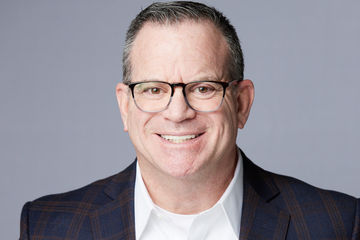
Renee Martinez is the founder of WovenSmart, an experience studio that helps organizations build stronger brands from the inside out by aligning leadership, culture, communication and experience. For more than 25 years, Martinez has helped organizations in various capacities — as strategic advisor, facilitator, TEDx speaker and university educator, and as the author of CreativeIQ. She spoke at Northstar's Luxury & Wellness Meetings in Healdsburg, Calif., in March of this year.


/3-Days-in-Palm-Springs-Calif..jpg?tr=w-360%2Ch-240%2Cfo-auto "3 Days in Palm Springs, Calif.")